Home / Technology / AI Consciousness: Are We Ready for the Unknown?
AI Consciousness: Are We Ready for the Unknown?
18 Dec, 2025
Summary
- Philosopher Tom McClelland urges agnosticism on AI consciousness.
- Current evidence is insufficient to confirm or deny AI sentience.
- Ethical dilemmas arise if AI gains consciousness or is mistaken for it.
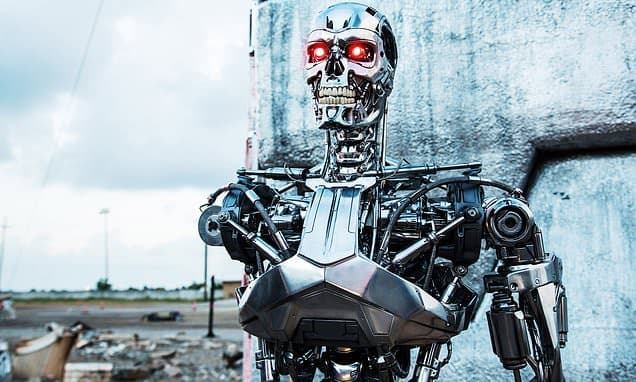
The question of whether artificial intelligence is developing consciousness remains a profound mystery, with experts urging caution. Philosopher Dr. Tom McClelland from the University of Cambridge suggests that our current understanding of consciousness is far too limited to definitively answer whether AI could become self-aware. He advocates for an agnostic stance, emphasizing that without a clear definition and test for consciousness, any claims about AI sentience are speculative.
This ambiguity presents complex ethical challenges. If AI were to achieve consciousness, humanity would need to consider its moral status, akin to humans and animals, rather than inanimate objects. Conversely, there's a risk of anthropomorphizing AI, forming emotional attachments to non-sentient systems, which could have detrimental psychological effects. Dr. McClelland notes that the public is already reporting chatbot interactions that mimic pleas of consciousness, highlighting the growing confusion.