Home / Technology / AI Clones Adobe Apps: Subscription Software Disrupted
AI Clones Adobe Apps: Subscription Software Disrupted
1 Nov
Summary
- New AI tools enable reverse-engineering of pricey subscription software.
- Open-source clones offer similar functionality to Adobe Creative Cloud apps.
- This trend raises legal questions about copyright and patents.
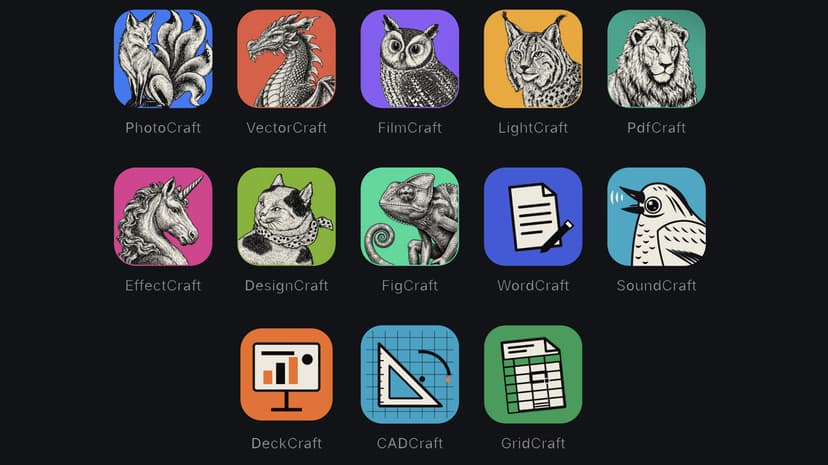
A significant shift is occurring in the software industry as AI enables the creation of open-source clones for expensive subscription-based applications. Developers are using AI, such as Claude Opus 5.5, to reverse-engineer popular programs like Adobe's Creative Cloud suite. The resulting applications, like Artcraft's Photocraft, aim to replicate the functionality and user interface of their paid counterparts, offering them as free, open-source alternatives.
This emerging trend, sometimes termed 'vibe coding,' has ignited a fierce debate. Proponents view it as a justifiable response to what they perceive as exploitative subscription models, while critics condemn it as piracy. The rapid advancement of AI is introducing new legal complexities concerning patents and copyright, which are yet to be fully explored and addressed.
While free alternatives to professional software have existed for years, such as GIMP for Photoshop, the new AI-driven clones offer a unique advantage: a familiar user interface. This dramatically reduces the learning curve for users accustomed to established software. Despite potential bugs and missing advanced features, these clones could prove adequate for a substantial segment of users, potentially forcing companies like Adobe to reconsider their business strategies.
Tools like REA (Reverse Engineer Anything) are further democratizing this process, allowing users to deconstruct and rebuild software with AI assistance. This technology extends beyond desktop applications to firmware in various devices and even game decompilation, signaling a fundamental change in software development and intellectual property paradigms.


