Home / Technology / AI Breakthrough Unlocks Affordable, Eco-Friendly Perovskite Solar Cells
AI Breakthrough Unlocks Affordable, Eco-Friendly Perovskite Solar Cells
20 Oct
Summary
- Researchers use AI to optimize perovskite solar cell production
- New method uses bio-based solvents, reducing costs by over 50% and environmental impact by 80%
- Perovskite cells offer exceptional efficiency compared to traditional silicon photovoltaics
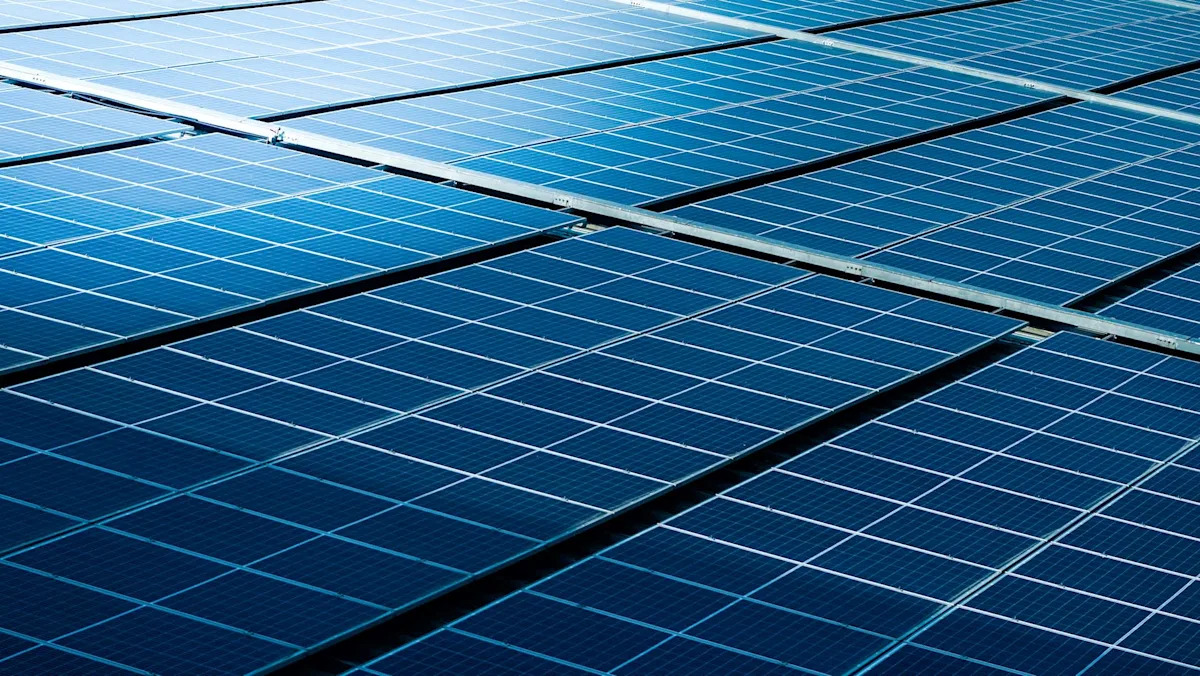
In October 2025, researchers at the Pohang University of Science and Technology (POSTECH) in South Korea have made a significant breakthrough in the commercialization of perovskite solar cells. Perovskite cells, often referred to as "next-generation" solar technology, are known for their exceptional performance and lightweight, ultrathin qualities. However, their commercial potential has been hindered by the use of toxic materials like lead and dimethylformamide during production.
The POSTECH team has now developed an innovative manufacturing process that utilizes reverse engineering techniques based on artificial intelligence (AI) to optimize the conditions for perovskite cell production. The new method replaces the hazardous solvents with bio-based alternatives like gamma-valerolactone (GVL) and ethyl acetate (EA), which are much safer to use.
According to the researchers, this GVL-EA technique has more than halved the manufacturing costs of perovskite cells and reduced the environmental burden by over 80%. With these significant improvements, the team is now poised to facilitate the commercialization of this highly efficient solar technology, which offers a unique level of performance compared to traditional silicon photovoltaics.
The development of perovskite solar cells is an important step in the global transition from dirty fuels to cleaner energy alternatives. By making this technology more accessible and environmentally friendly, the POSTECH researchers are contributing to the fight against climate change and the reduction of carbon pollution's impact on our weather, resources, and health.