Home / Technology / AI Agents: Thinking Together, Not Just Connecting
AI Agents: Thinking Together, Not Just Connecting
9 Feb
Summary
- AI agents can connect but struggle to truly think collectively.
- Collective intelligence needs shared intent and knowledge like humans.
- The 'Internet of Cognition' aims for agents to collaborate innovatively.
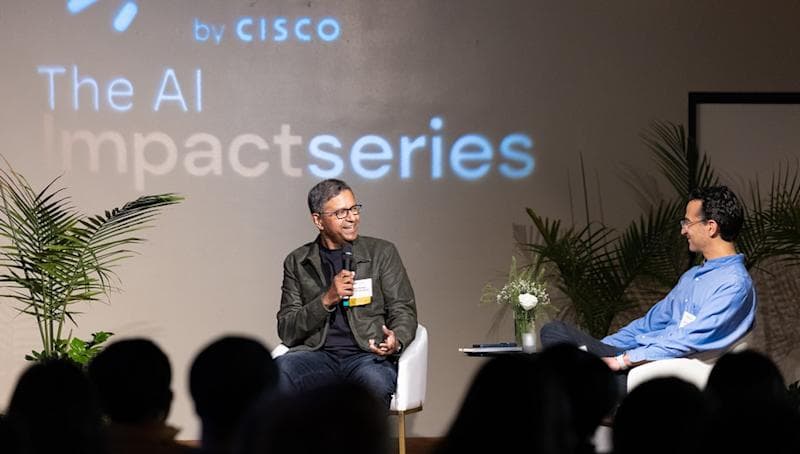
The advancement of AI hinges on enabling agents to move beyond mere connection towards genuine collective intelligence. Experts highlight that while technical protocols allow agents to communicate, they cannot yet truly "think together." This limitation stems from a lack of shared intent and collective knowledge, crucial elements that fueled human innovation.
Mimicking human cognitive evolution, the proposed "Internet of Cognition" introduces a three-layer architecture. This system focuses on protocols for understanding and negotiation, a shared memory fabric for evolving context, and a cognition engine for efficient processing. It aims to foster distributed intelligence where heterogeneous agents can collaborate and innovate.
Furthermore, evolving how foundation models are trained is key. Instead of longer autonomy, the focus is on better collaboration, equipping agents with deep social understanding. This includes knowing who possesses specific knowledge and facilitating connections between the right specialists. Establishing guardrails that support outcome-based cognition, rather than strict rule-following, is also vital for this integrated human-AI ecosystem.