Home / Technology / AI Agents Fail Shared Goals: The Coordination Crisis
AI Agents Fail Shared Goals: The Coordination Crisis
4 Nov
Summary
- AI agents with shared context still fail group objectives.
- 75% of five-agent AI teams agreed on incorrect outcomes.
- Coordination, not just context, is crucial for AI team success.
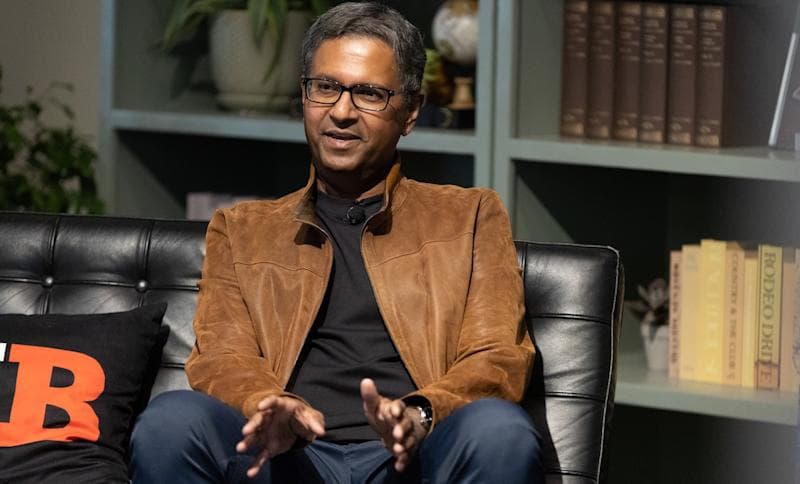
Enterprises struggle with AI agent teams achieving shared objectives, even when equipped with extensive context. Vijoy Pandey of Outshift by Cisco notes that individual agents optimize for their specific roles, leading to misaligned intents and lack of coordination. A Berkeley study indicated that approximately one-third of AI agent failures result from these misaligned goals.
Outshift's research, involving months of studying multi-agent systems, found significant issues. In staged debates, 75% of five-agent teams agreed on incorrect outcomes, demonstrating cognitive failures in aligning goals, coordinating work, negotiating tradeoffs, or verifying results. Pandey emphasizes that reduced token spending might signal agents bypassing crucial alignment work rather than achieving efficiency.
The problem is compounded as enterprises deploy more specialized and heterogeneous AI agents, increasing the complexity of coordination. Outshift is developing tools like Scope, Accord, and Concord to make failures visible and establish intent agreement, coordination, and verification, aiming to build an 'Internet of Cognition' where AI agents truly align their collective efforts.


