Home / Technology / AI Agents: Who's in Control?
AI Agents: Who's in Control?
23 Nov
Summary
- Most companies lack full visibility into AI-authorized actions.
- 46% of AI agent users permit high-risk actions automatically.
- Business, IT, and security must align on AI agent autonomy.
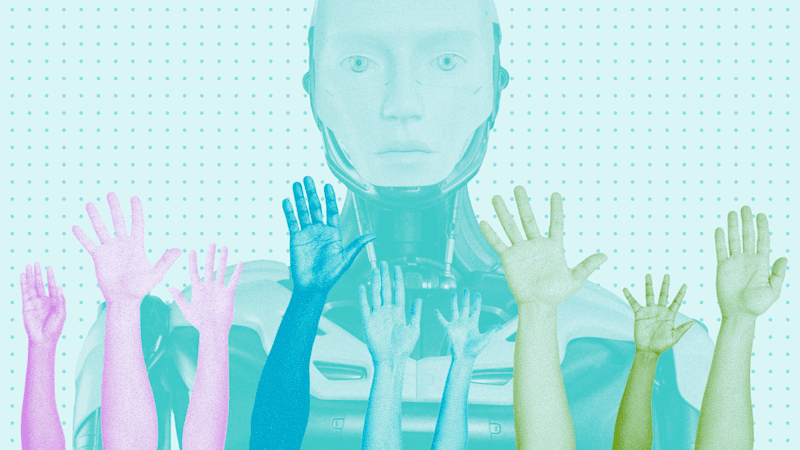
As businesses increasingly deploy AI agents, ensuring alignment between business units, IT, and security is paramount. These agents, used for tasks from financial reporting to customer support, raise complex questions about autonomy and accountability. Research indicates that 46% of organizations permit high-risk AI actions to proceed automatically, with human review occurring afterward.
Compounding this, only 38% of surveyed companies can fully identify the specific identity that authorized an AI-driven action. This creates a significant accountability gap. Business leaders, IT departments, and security teams must establish clear agreements on what AI agents can do independently, when human approval is necessary, and how actions can be traced.
IT and security play crucial roles in defining operational boundaries and safeguards. They offer expertise on system integration, data flow, and risk management. By involving them early, organizations can better balance innovation with safety, ensuring that AI initiatives are both effective and secure.
Defining responsible AI autonomy requires a shared understanding of business processes, potential error consequences, data sensitivity, and risk tolerance. Establishing clear policies, permissions, controls, and auditable records is essential for accountability. This collaborative approach will shape the next phase of AI adoption.


