Home / Technology / 8K TVs: The Future That Never Arrived
8K TVs: The Future That Never Arrived
1 Nov
Summary
- 8K TV adoption remains minimal despite advancements.
- Lack of 8K content prevents widespread consumer interest.
- 4K TVs remain the preferred choice for most consumers.
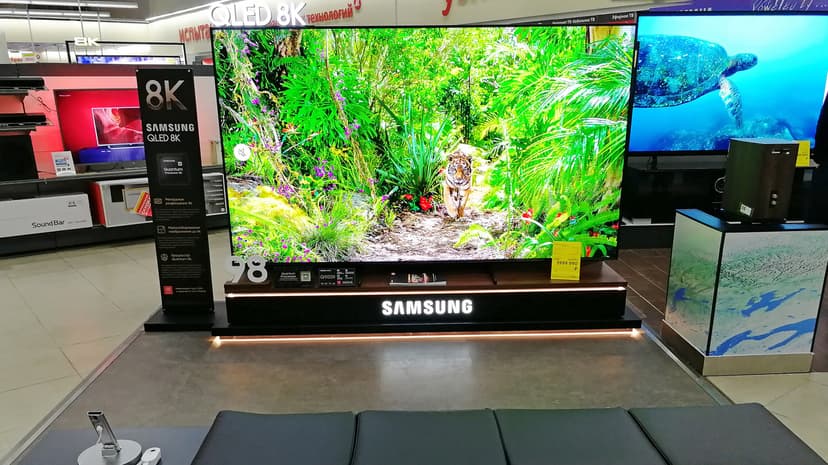
The anticipated shift to 8K televisions has not materialized, with key manufacturers like LG and Sony phasing out their 8K offerings. As of late 2026, 8K sets are scarce in homes, a stark contrast to earlier industry predictions. Research from September 2024 indicates cumulative sales of only 1.6 million 8K sets worldwide since 2015, dwarfed by nearly a billion 4K TVs in use.
The primary impediment to 8K adoption is the absence of a robust content ecosystem. With virtually no native 8K movies, TV shows, or streaming libraries, the enhanced pixel count offers little practical benefit. While a few niche 8K broadcasts exist in regions like Japan, China, and Spain, they are insufficient to drive demand. Upscaling offers a partial solution but does not showcase 8K's true capabilities.
Practical concerns also limit 8K's appeal. The increased data processing and bandwidth requirements for 8K content can strain home internet connections, and 8K gaming demands prohibitively expensive hardware. Furthermore, studies suggest that the human eye's ability to perceive 8K detail is limited by screen size and viewing distance, indicating diminishing returns compared to the leap from standard definition to 1080p.
For the average consumer, 4K televisions remain the superior choice, offering a compelling balance of quality and value. While 8K might appeal to a niche group with very large screens and specific viewing setups, the lack of content and questionable visual benefits mean it is unlikely to future-proof living rooms anytime soon. The market clearly favors the established 4K standard.


