Home / Sports / US Youth Soccer Priced Out by Wall Street
US Youth Soccer Priced Out by Wall Street
18 Jul
Summary
- Youth sports costs rose 46% since 2019, averaging nearly $1,500 per child.
- Few children from households under $50,000 can afford organized soccer.
- Private equity firms are investing heavily in youth sports businesses.
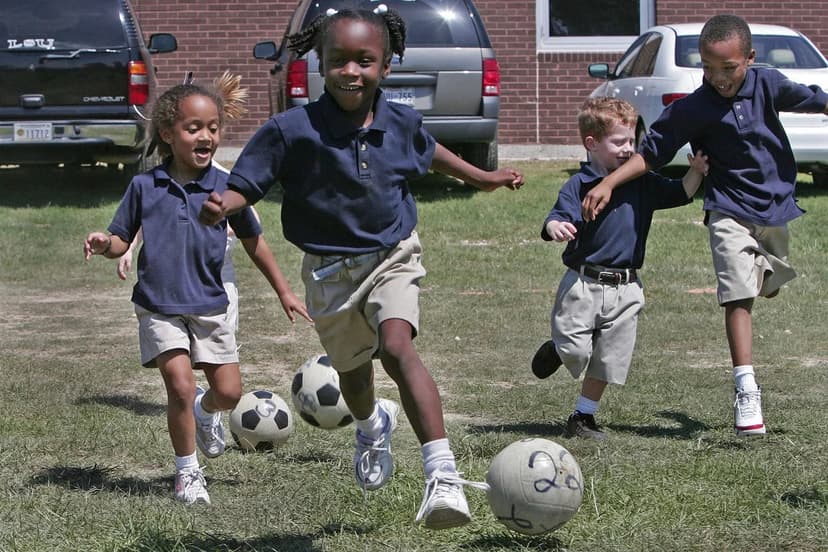
The U.S. men's national team's recent World Cup exit underscores a significant issue within America's youth sports system: its prohibitive cost. Critics point to the "pay-to-play" model, which has escalated expenses for parents. In 2024, families spent an average of nearly $1,500 per child on sports, a substantial 46 percent increase from 2019 figures.
This financial barrier is creating an exclusivity problem. Landon Donovan, retired U.S. team captain, cited research indicating that over half of children playing organized soccer come from households earning $100,000 to $150,000. He stated that families earning less than $50,000 are effectively excluded from organized soccer, missing out on potential talent.
The surge in costs is largely attributed to private equity investors acquiring youth sports companies. These firms, like KKR & Co. and EQT, have made significant investments in areas such as sports equipment manufacturers and sports academies. This influx of capital has led to practices that drive up prices and limit access for many families.
Federal lawmakers are addressing these concerns. A bipartisan House hearing examined private equity's role in the commercialization of youth sports. While Democrats have proposed legislation, including the Let Kids Play Act, to regulate private equity and protect consumers, its advancement faces political hurdles. The legislation aims to ban predatory practices and refund "junk fees."


