Home / Sports / When Pink Broke Wimbledon's White Rule
When Pink Broke Wimbledon's White Rule
30 Jun
Summary
- Maria Bueno's pink-lined dress sparked Wimbledon controversy.
- Gussie Moran's lace-trimmed shorts caused official outrage.
- Wimbledon's strict white rule evolved from tradition and scandal.
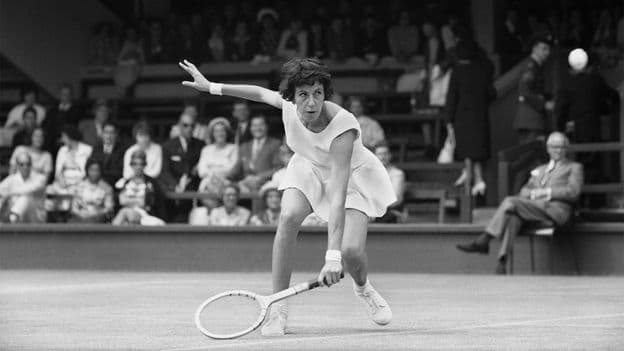
Wimbledon's famous "all-white" dress code has a history rooted in tradition and punctuated by sartorial scandals. In 1962, Brazilian player Maria Bueno's Wimbledon dress, lined in bright pink with matching knickers, caused an audible gasp and led to outrage. This incident, orchestrated by designer Ted Tinling, reportedly catalyzed the All England Lawn Tennis and Croquet Club's "predominantly white" rule that same year.
The AELTC, with its male-dominated committee in the 1960s, viewed such attire as distasteful and unbecoming. This wasn't the first time female players challenged norms. In 1949, Gussie Moran's lace-trimmed undershorts, also a Tinling design, caused officials to claim she drew attention to her "sexual area," leading to accusations of vulgarity and Tinling's expulsion.
Earlier instances include Suzanne Lenglen's practical 1919 dress and Lili de Alvarez's 1931 culottes. Even in 2014, Serena Williams and Roger Federer briefly fell foul of the formalized "almost entirely white" mandate for undergarments and footwear.
The strict white rule, initially a mark of wealth in the late 19th century, has become a key element of Wimbledon's brand. The club cultivates an image of a traditional "tennis in an English garden," where crisp white attire complements the iconic aesthetic.


