

Home / Sports / FCC Eyes Sports Streaming's Rising Costs
FCC Eyes Sports Streaming's Rising Costs
7 Apr
Summary
- Fans face rising costs to watch sports across multiple streaming platforms.
- A 1961 law is criticized for enabling current fragmented sports broadcasting.
- The FCC is investigating streaming strategies and their impact on accessibility.
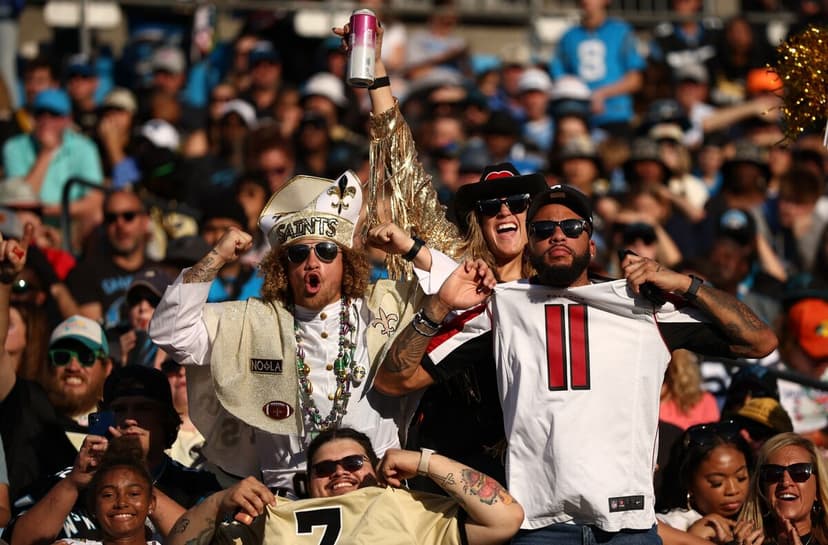
Sports fans are encountering a frustrating scenario where games once available for free are now spread across multiple paid streaming services. This fragmentation is prompting critical interest from the Federal Communications Commission (FCC), which is investigating league streaming strategies and their impact on game accessibility. For example, some Major League Baseball games require subscriptions to platforms like Netflix. Last season, football fans reportedly needed at least four subscriptions costing over $600 for complete coverage.
The current situation is partly attributed to the Sports Broadcasting Act of 1961. Initially designed for a three-network television era, the law allowed leagues to pool broadcast rights, creating a consistent national product and enabling revenue sharing. This model transformed sports into a national cultural phenomenon and significantly boosted league revenues, with current deals worth billions.
However, in today's app-driven streaming ecosystem with paid tiers, this 1961 model is seen as outdated. As leagues distribute games across numerous services, rights fees increase, and these costs are passed to subscribers. While the NFL ensures local games are available over the air, this is a limited exception. The FCC's investigation, supported by public comments, could prompt further action from the Department of Justice and Federal Trade Commission. Congress also holds the power to repeal or update the act, with proposals suggesting a requirement for a significant portion of games to remain on free or widely accessible platforms to balance league profits with fan access.
