Home / Sports / Serie A: Italian Football's Unique Slow-Motion World
Serie A: Italian Football's Unique Slow-Motion World
9 Mar
Summary
- Serie A's tactical battles often feature formations limiting space.
- Veteran players like Luka Modric thrive in Serie A's relaxed tempo.
- Italian clubs have struggled in recent Champions League competitions.

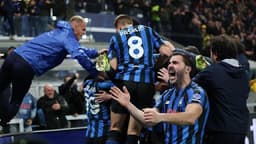
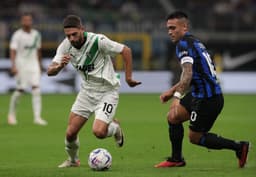
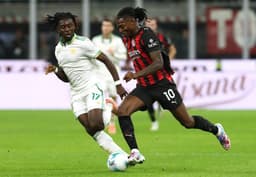
Italian football, particularly Serie A, appears to exist in its own distinct temporal sphere, characterized by a noticeably slower pace than other top European leagues. This was highlighted in a recent Milan derby, where the top two teams, Inter and Milan, employed a 3-5-2 formation. This tactical choice often results in limited space, congested midfields, and a focus on wing-back play and crosses.
The slower tempo of Serie A benefits certain players, allowing them to extend their careers. For instance, Luka Modric, at 40 years old, plays a more prominent role with more completed 90-minute matches than he did at Real Madrid. This contrasts with the development of younger talents, where a preference for physically imposing center-forwards over agile attackers is noted.
This unique approach to football has implications for Italian clubs on the European stage. Despite Serie A's relative stability in quality over the past five years, its slower pace has not kept up with the increasing speed of other leagues. Consequently, Italian sides have faced significant challenges in continental competitions, with a history of poor performances in the Champions League quarter-finals and recent heavy defeats in finals, such as PSG's 5-0 thrashing of Inter.