Home / Sports / Beyond the Shine: What Olympic Medals Are Really Worth
Beyond the Shine: What Olympic Medals Are Really Worth
11 Feb
Summary
- Gold medals are mostly silver, with a thin gold outer layer.
- The raw material value of a gold medal is about $2,474.
- Historic medals can sell for millions, far exceeding metal worth.
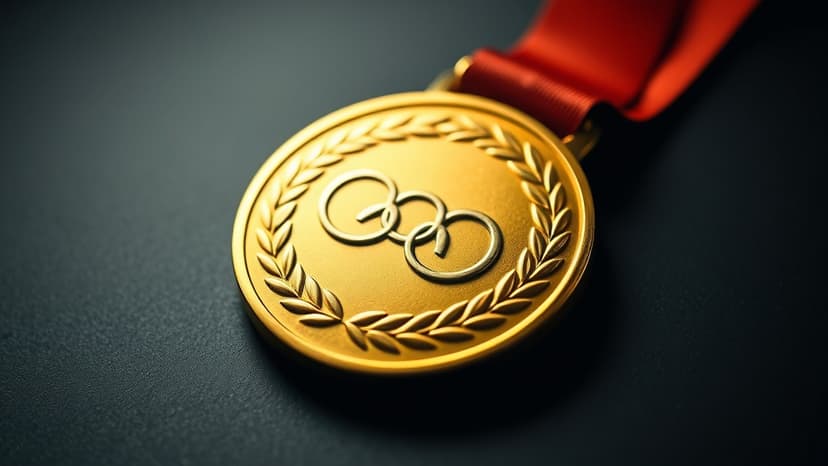
While the 2026 Winter Olympics in Milan will award medals, their value extends far beyond the precious metals they contain. Modern Olympic gold medals, by International Olympic Committee standards, are composed of at least 92.5% silver and are finished with a thin layer of gold. This composition means the raw material value of a gold medal is approximately $2,474, driven by recent surges in gold and silver prices past $5,000 and $83 per ounce respectively.
However, the 'melt value' is a fraction of an Olympic medal's potential worth. Collectible value, tied to historic performances or iconic athletes, can dramatically inflate prices. Jesse Owens' 1936 Berlin Olympic gold medals, for instance, sold for $1.47 million due to their immense historical significance. More recently, Greg Louganis's 1988 Seoul gold medal fetched over $200,000.
Athletes themselves sometimes choose to sell their medals for various reasons. For Greg Louganis, proceeds from his medal sales facilitated rebuilding his life. Ryan Lochte auctioned his medals to raise money for charity, stating that memories hold more value to him than dusty mementos.