Home / Sports / Olympic Gold Game: Overtime Rules Explained
Olympic Gold Game: Overtime Rules Explained
22 Feb
Summary
- Medal games feature 20-minute, 3-on-3 sudden-death overtime periods.
- Unlike regular season games, Olympic medal games avoid shootouts.
- Past Olympic gold medal games have been decided in overtime.
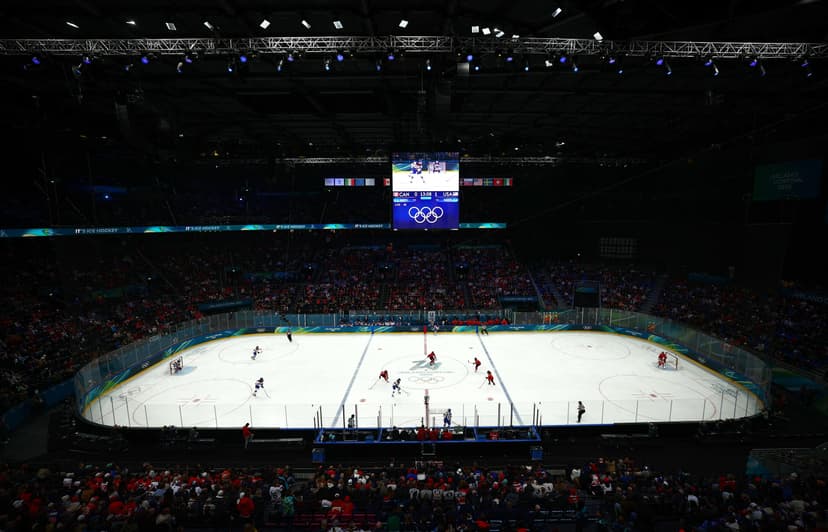
Olympic hockey gold medal games may require more than a standard 60 minutes of play to determine a champion, with overtime rules differing significantly from earlier tournament stages. For non-medal games and the preliminary round, overtime consists of a five-minute 3-on-3 sudden-death period, potentially followed by a shootout if no goals are scored. Medal games, however, implement a more extended overtime format. The gold medal game, and also the bronze medal game, will feature a 20-minute 3-on-3 sudden-death overtime period. This means the first team to score wins, but if neither team scores within that 20 minutes, play will continue indefinitely into subsequent overtime periods, with intermissions, until a decisive goal is achieved. Crucially, shootouts will not be used to decide either the gold or bronze medal contests. This ensures that a champion is determined by on-ice play rather than a shootout competition. This format contrasts with the NHL's regular season overtime, which also uses a 3-on-3 format, but its playoffs revert to 5-on-5. Historically, the Olympic gold medal game has been decided in overtime, notably in 2010 when Canada defeated the United States.