Home / Sports / Notre Dame Football: Spring Practice Questions Answered
Notre Dame Football: Spring Practice Questions Answered
2 Mar
Summary
- Notre Dame football team appears healthy entering spring practice.
- Quarterback prospect Charles Jagusah unlikely to play fully until camp.
- Football payroll estimated over $30 million, placing them top 10.

Notre Dame's football program is on the cusp of an intriguing spring practice, with high expectations for a College Football Playoff appearance and potential championship win.
The team appears to be in excellent physical condition heading into spring ball, with head trainer Rob Hunt indicating fewer injury concerns than in previous seasons. However, promising quarterback prospect Charles Jagusah is unlikely to be fully available until fall camp due to a lingering broken arm.
An educated estimate places the Notre Dame football roster's value just over $30 million, a figure that would rank them within the top 10 nationally. This financial strength supports their ambitious goals for the upcoming season.
Regarding the running back position, identifying the second and third backs behind Aneyas Williams will be a key focus during spring practice. While several freshmen show promise, particularly receiver Kaydon Finley and defensive end Rodney Dunham, significant playing time opportunities for the incoming class seem limited due to the experienced returning roster.
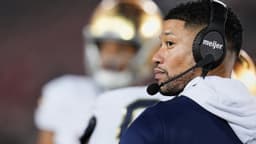
Coach Marcus Freeman faces the challenge of ensuring preseason assessments accurately reflect the team's in-season readiness. An improved correlation between camp performance and game-day execution is crucial for navigating the schedule effectively.
Discussions about potentially canceling the Notre Dame-Texas series due to SEC schedule expansion have yielded no concrete chatter. While contract clauses for such scenarios are common, it's presumed Texas will prioritize maintaining high-profile nonconference games, especially with potential playoff implications.
If appointed college football commissioner, proposed changes include a revised calendar with an earlier start, elimination of conference championship games, and an expanded 16-team playoff. Further reforms would address the transfer portal by requiring immediate sit-out periods for non-graduate transfers while leaving NIL regulations untouched. Nationalizing officiating across Power 4 conferences is also suggested to enhance performance and accountability.