Home / Sports / Ted Turner's Braves Gambit: MLB Still Missing the Point
Ted Turner's Braves Gambit: MLB Still Missing the Point
9 May
Summary
- Ted Turner broadcast Braves games nationally in 1977.
- This expanded access grew MLB's revenue significantly.
- Modern MLB restricts access through blackouts and streaming.
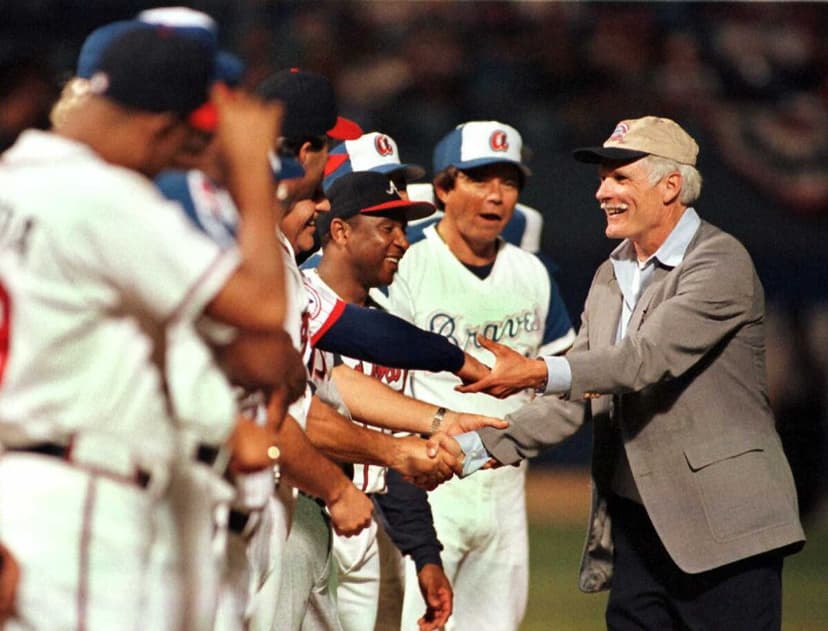
In 1977, Ted Turner's "superstation" WTCG began broadcasting Atlanta Braves games nationwide, transforming the team from a regional obscurity into a national presence. This innovation demonstrated a key principle: expanding access to games cultivates fans and revenue. Nearly half a century later, however, Major League Baseball appears to have forgotten this lesson.
Historically, team owners were wary of broadcasts, fearing they would reduce ticket sales. Ted Turner's approach challenged this, showing that wider availability could lead to increased viewership and, consequently, higher television rights fees. By 1995, MLB's television revenue had grown to $516 million, a stark increase from $52 million in 1977.
Despite the financial benefits Turner's strategy brought, MLB introduced blackout restrictions to protect local markets, sometimes to an absurd degree. Currently, Commissioner Rob Manfred aims to eliminate blackouts, but the league is simultaneously fragmenting games across various streaming platforms like Apple TV, Peacock, and Netflix, creating new barriers for fans.
This trend of restricted access is not unique to baseball; the NBA and NFL are following similar paths. While younger fans increasingly discover sports through highlights and memes, scattering games across multiple services exacerbates the challenge of converting casual followers into dedicated viewers. Ted Turner's early understanding of accessibility remains a vital model for sports growth, a model MLB now seems determined to obscure.


