Home / Sports / Giannis Injury Fears Overblown: Expert Analysis
Giannis Injury Fears Overblown: Expert Analysis
12 Jul
Summary
- Giannis Antetokounmpo's injury history shows elite durability over a decade.
- Soft tissue injuries heal fully, unlike structural damage.
- Miami's environment offers optimal support for Giannis' recovery.
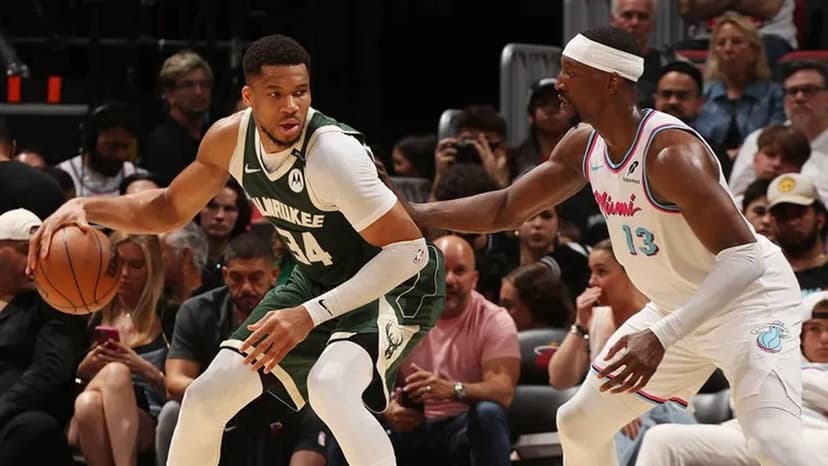
Recent concerns surrounding Giannis Antetokounmpo's trade to the Miami Heat and his injury status are being met with a counter-narrative. While calf strains are serious, particularly for a veteran player, the analysis suggests panic is unwarranted.
Antetokounmpo has a proven track record of durability, averaging approximately 73 games per season across ten campaigns before last year's team-imposed shutdown. This decade-long availability underscores his elite tissue tolerance and recovery capacity.
The core argument rests on distinguishing between structural injuries and soft-tissue strains. Structural issues like torn ligaments or ruptured tendons have lasting effects, but muscle strains, such as calf or groin issues, heal completely with proper management.
Last season's injuries, including a calf strain and ankle sprain, are categorized as soft-tissue or traumatic, not degenerative. The recurring calf issue, specifically a soleus strain, is notoriously slow to heal but can be fully rehabilitated.
Miami's organizational culture is highlighted as an ideal environment for managing such injuries. Known for exceptional player conditioning and career rehabilitation, the team, alongside Bam Adebayo, offers a reduced workload and proper return-to-play protocols.
Furthermore, Antetokounmpo's game, focused on downhill drives and straight-line pressure, is considered more age-resilient than games relying on sharp cuts and decelerations. These skills depend on size and feel, which degrade gracefully.


