Home / Sports / German Skating Struggles: A Medal Drought Looms
German Skating Struggles: A Medal Drought Looms
4 Feb
Summary
- Germany's figure skating success is limited to pairs, with few medal contenders outside this discipline.
- A significant lack of top trainers and insufficient funding hinder the development of German skaters.
- Rigid school systems and insufficient financial support prevent young skaters from reaching elite levels.
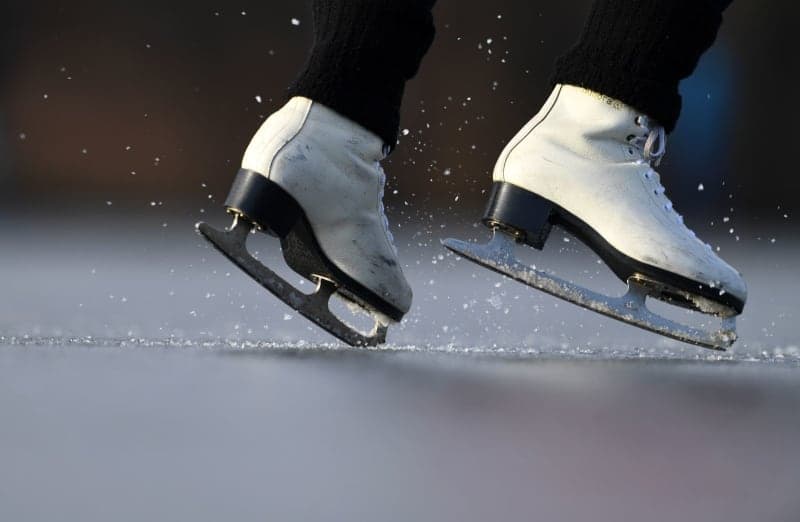
Germany's prospects for Olympic figure skating medals are currently limited to its pairs teams, as other disciplines have not produced medal contenders for many years. While a second pair and a dance team are competing, they are not expected to reach the highest ranks.
The nation's figure skating struggles are attributed to a lack of high-level trainers, insufficient financing, and low coaching salaries. This contrasts sharply with successful skating nations that invest heavily in coaching and athlete development.
Experts point to a deficit in centralized training centers and a lack of flexibility within the school system as major impediments. Unlike other countries, German schools are often inflexible with athletes' training schedules, creating significant challenges for young skaters.
Furthermore, financial support structures are described as rigid and insufficient. Athletes training abroad do not receive the same level of funding as their international competitors, hindering their ability to train and develop effectively.
The sport's elite level demands extremely high technical difficulty, particularly with quadruple jumps. Germany is noted to be far behind in this aspect, with its national championships showcasing a significantly lower standard than international competitions.
Some smaller nations with fewer resources are strategically focusing on disciplines like ice dance and pairs, recognizing the difficulty of competing in individual events against powerhouses. This highlights a potential shift in strategy for countries seeking Olympic success.