Home / Sports / Russell blasts Ferrari over F1 start grid chaos
Russell blasts Ferrari over F1 start grid chaos
13 Mar
Summary
- Ferrari is accused of selfishness for blocking F1 start rule changes.
- New hybrid engines cause chaotic race starts and battery issues.
- The FIA's five-second preparation period is insufficient for drivers.
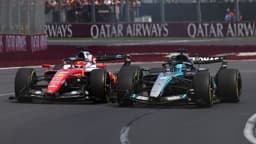
George Russell has accused Ferrari of acting selfishly by blocking proposed rule modifications aimed at improving Formula 1 race starts. The 2026 hybrid power units have presented challenges, making clean getaways difficult compared to previous seasons. A key issue is the MGU-H removal and the FIA's five-second preparation period, which drivers find insufficient for building turbo pressure.
The increased hybrid component means nearly half the engine's power comes from the battery. However, drivers struggle to maintain battery charge on the formation lap while also preparing tires and brakes. This resulted in a chaotic start at the recent Australian Grand Prix, with significant first-lap position changes for many drivers.
Ferrari is reportedly against the changes, having specifically designed its power unit for better starts. Both Charles Leclerc and Lewis Hamilton made strong starts in Melbourne. Russell suggested that teams with a competitive edge, like Ferrari, resist changes that could level the playing field, calling it a 'silly' and 'selfish' view.
While the FIA can enforce changes on safety grounds, other in-season tweaks require broad team agreement. The specific quirk involves battery charging limits and the placement of the finish line. Drivers starting further back could execute practice starts and reset battery levels more effectively before the race start. Max Verstappen also voiced concerns, calling starts with near-zero battery dangerous and advocating for simple fixes.
Despite Russell's belief that teams will adapt to the current rules, he highlighted unnecessary complications. The Chinese Grand Prix is not expected to face the same start issues due to its grid and finish line placement, ensuring all drivers begin their formation laps with equal battery potential.