Home / Sports / F1 Starts: Lottery or Danger Zone?
F1 Starts: Lottery or Danger Zone?
13 Mar
Summary
- New F1 engines complicate race starts, causing dangerous discrepancies.
- Drivers report low battery charge issues affecting getaway performance.
- FIA discusses engine start procedure changes amid safety concerns.
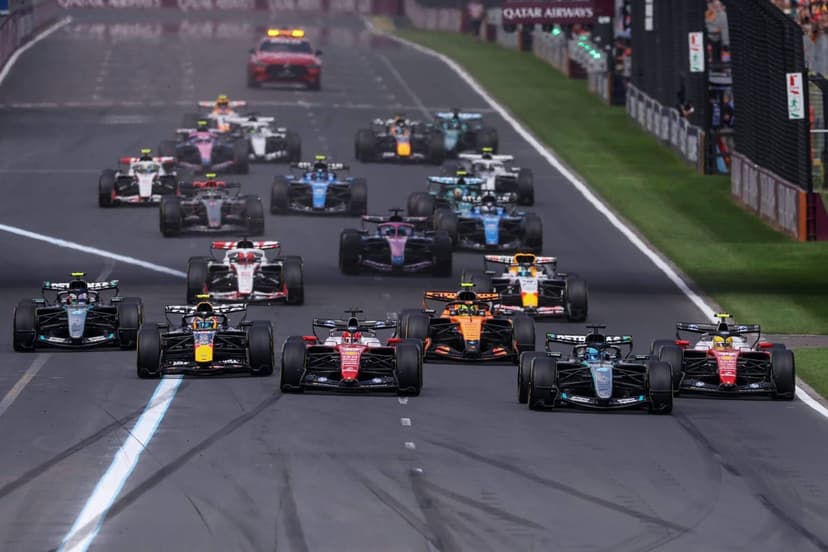
Formula 1 drivers expressed shock and concern following a near-miss at the 2026 Australian Grand Prix, highlighting the dangers of the new engine regulations during race starts. Franco Colapinto narrowly avoided hitting a stationary Liam Lawson, a stark reminder of the risks involved.
The complexity of the new engines for 2026 has transformed race starts into a challenging process. Drivers must manage engine turbos and electrical power, leading to significant performance differences between cars. Ferrari-powered cars, for instance, demonstrated an advantage due to faster-spooling turbos.
Compounding these issues, several drivers, including Russell and Verstappen, reported arriving at the grid with critically low battery charge. This compromise's the electrical boost phase of the start, creating dangerous speed differentials. Discussions are underway regarding formation lap charging rules.
The FIA met with teams in China to address these concerns. While the governing body is hesitant to loosen battery recharging rules, citing the need for teams to adapt, minor adjustments like increased practice start opportunities have been implemented for the China sprint weekend.
Teams and the FIA are collecting data from various circuits to fully assess the global impact of the new regulations. A consensus on significant rule tweaks is not expected soon, with some suggesting up to five races are needed to evaluate all track conditions. The current sprint weekend in China offers more data points on these evolving start procedures.