Home / Sports / Sherpa: Everest's Unsung Heroes Rise
Sherpa: Everest's Unsung Heroes Rise
22 Dec, 2025
Summary
- Sherpas are integral to Everest expeditions, risking lives with little recognition.
- Nima Rinji Sherpa, a 19-year-old, aims to elevate Sherpa status.
- Commercialization brings wealth but also immense pressure and danger to Sherpas.
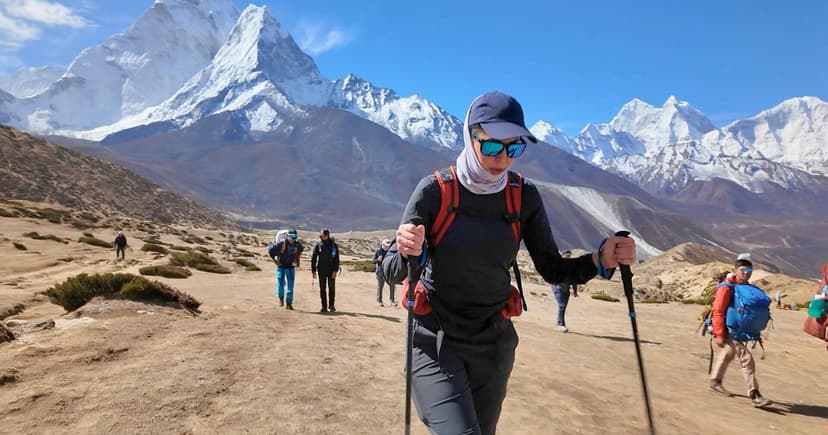
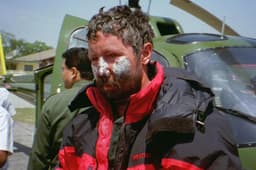
Mount Everest, Earth's highest peak, relies heavily on the Sherpa people, an ethnic group renowned for their mountaineering skills. Often understated, they perform critical roles as guides and porters, risking their lives in perilous conditions. Nima Rinji Sherpa, a 19-year-old with a remarkable climbing record, represents a new generation aiming to change the narrative and secure deserved recognition for the Sherpa community.
The commercialization of Everest has transformed it into a multi-million dollar industry. While this brings economic opportunities to Nepal and the Sherpas, it also increases the burden and risks they face. The Khumbu Icefall, a treacherous maze of ice, is navigated by elite Sherpas known as "icefall doctors," who prepare the route with ladders, a dangerous task where accidents are frequent.
New technologies like drones are being introduced to assist Sherpas, making tasks like ferrying equipment safer and faster. However, the fundamental challenges of high-altitude climbing, including extreme weather, avalanches, and altitude sickness, persist. The Sherpas continue to shoulder the immense weight of expeditions, ensuring the safety and success of climbers while navigating their own risks on the world's highest mountain.