Home / Sports / Athlete Wealth: Contrasting Paths of Marsh & Pavey
Athlete Wealth: Contrasting Paths of Marsh & Pavey
7 Jan
Summary
- Brandon Marsh secured a $3 million contract with the Phillies for 2025.
- Katelyn Pavey's earnings stem from media deals and speaking engagements.
- Marsh's salary structures significantly outweigh Pavey's endorsement income.

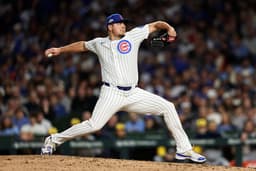
Brandon Marsh, a Major League Baseball outfielder for the Philadelphia Phillies, exemplifies a traditional athlete's financial trajectory. For the 2025 season, Marsh secured a one-year deal worth $3 million, bypassing arbitration for his highest annual salary to date. This substantial contract firmly places him in the multi-millionaire category, with potential for further increases in future arbitration years before reaching free agency. His cumulative career earnings are estimated in the low-to-mid seven figures, supplemented by regional sponsorships and equipment deals typically valued in the low six figures annually.
Katelyn Pavey offers a contrasting perspective on athlete compensation, showcasing a "hero journey" as a one-armed collegiate softball All-American. Her financial success is intricately linked to diverse streams, including media deals stemming from her story, which was the basis for the feature film "I Can." Beyond film appearances, Pavey actively engages with the softball community through coaching initiatives and motivational speaking engagements, forming the core of her revenue. While specific financial figures for Pavey are not publicly disclosed, her income model diverges significantly from guaranteed professional sports contracts.
Together, Marsh and Pavey illustrate the dual nature of the modern sports economy. Marsh's financial security is rooted in the established structure of MLB salary arbitration and contracts, a predictable path to significant wealth. Pavey, however, demonstrates how advocacy, storytelling, and personal brand-building can create a viable and impactful career. Ultimately, the financial scale of traditional professional sports contracts, as seen with Marsh, tends to outweigh endorsement values and media-based income for individuals in guaranteed professional leagues.