Home / Sports / Anaemia Remains a Major Hurdle in Indian Women’s Sport, Says Team Nutritionist
Anaemia Remains a Major Hurdle in Indian Women’s Sport, Says Team Nutritionist
6 Jan
Summary
- Adolescent girls in India face widespread anemia and micronutrient deficiencies.
- Poor nutrition impacts bone, brain, and muscular health in young athletes.
- Science-driven nutrition is crucial for Indian women cricketers' health and success.
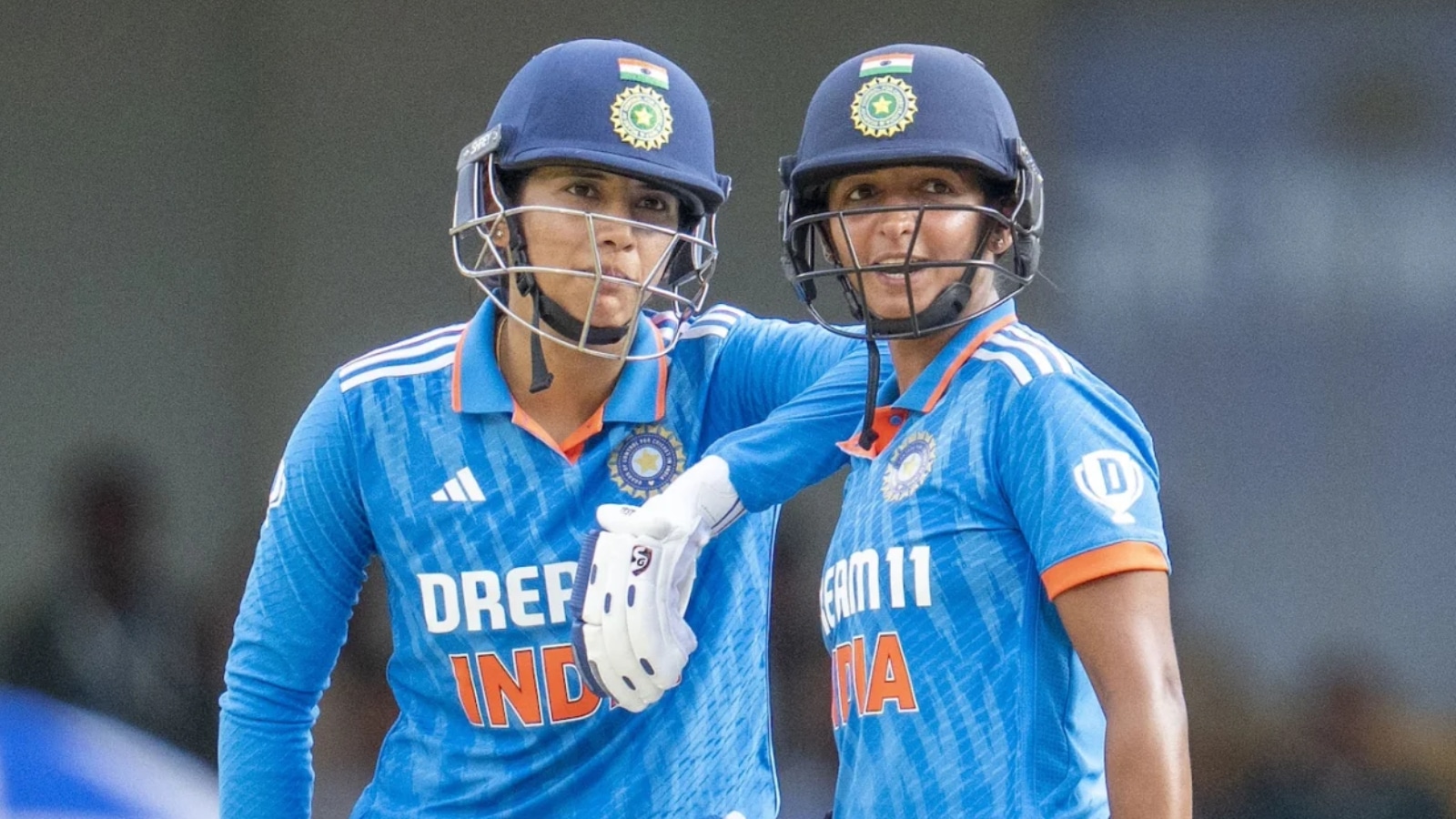
Young female cricketers in India are grappling with a pervasive nutrition crisis, characterized by widespread anemia and micronutrient deficiencies. Statistics reveal that a substantial percentage of adolescent girls suffer from conditions like vitamin B12, calcium, magnesium, and vitamin D deficiencies, severely compromising their health. This nutritional disadvantage often begins before they even reach peak athletic years, impacting their overall physiological development and readiness for demanding sports.
The consequences of inadequate nutrition are profound, affecting critical aspects of an athlete's physical well-being. Stunted growth, delayed puberty, menstrual irregularities, and thyroid issues are prevalent among these young athletes. These health challenges directly translate into reduced sports performance, hindering their ability to compete at higher levels and recover effectively from training and matches.
Addressing this challenge requires a concerted effort, focusing on science-driven nutritional strategies. Prioritizing balanced diets rich in lean protein, whole grains, and essential micronutrients from childhood is vital. Regular health screenings and education on the importance of iron, calcium, and hydration are essential for upcoming players. Such interventions are critical for transforming potential into sustained success and ensuring the long-term health of India's women cricketers.