

Home / Science / Ceramic QR Code Promises Data Storage for Millennia
Ceramic QR Code Promises Data Storage for Millennia
29 Mar
Summary
- A QR code smaller than most bacteria was created.
- Ceramic storage could preserve data for thousands of years.
- Two terabytes of data could fit on an A4 sheet.
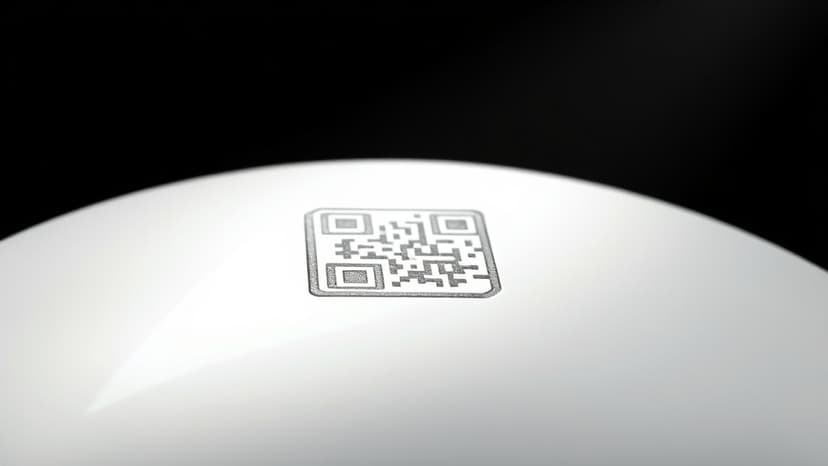
Scientists have developed a groundbreaking QR code so small it can only be seen with an electron microscope, measuring a mere 1.98 square micrometers. This achievement, recognized by the Guinness Book of Records, pushes the boundaries of microscopic fabrication. The innovation is not just about size but also about unprecedented data longevity.
The key to this breakthrough lies in ceramic materials. Researchers are utilizing thin ceramic films, known for their stability under extreme conditions, to create durable data storage. This contrasts sharply with current technologies that degrade within years, offering a path to preserving information for millennia.
Each pixel of the QR code is 49 nanometers, invisible to optical microscopes. However, electron microscopy allows for clear reading. The potential storage capacity is immense, with over 2 terabytes of data estimated to fit on an A4 sheet. This ceramic storage requires no energy for maintenance and remains intact indefinitely.
This advancement aims to address the ephemeral nature of modern digital storage, drawing parallels to ancient methods of carving knowledge into stone. Ceramic data carriers offer a sustainable, long-term solution for future generations, reducing the significant energy footprint of contemporary data centers.
The team plans to explore other materials and faster writing speeds for industrial applications. They also aim to develop processes for more complex data structures beyond QR codes, ensuring robust, quick, and energy-efficient storage and retrieval in ceramic thin films.
