Home / Science / Ancient Wolf Cub's Meal Reveals Rhino Extinction Secrets
Ancient Wolf Cub's Meal Reveals Rhino Extinction Secrets
14 Jan
Summary
- Woolly rhino genome decoded from ancient wolf cub's stomach contents.
- Rhino population remained large and stable before a rapid extinction.
- Warming climate, not hunting, likely caused the woolly rhino's demise.
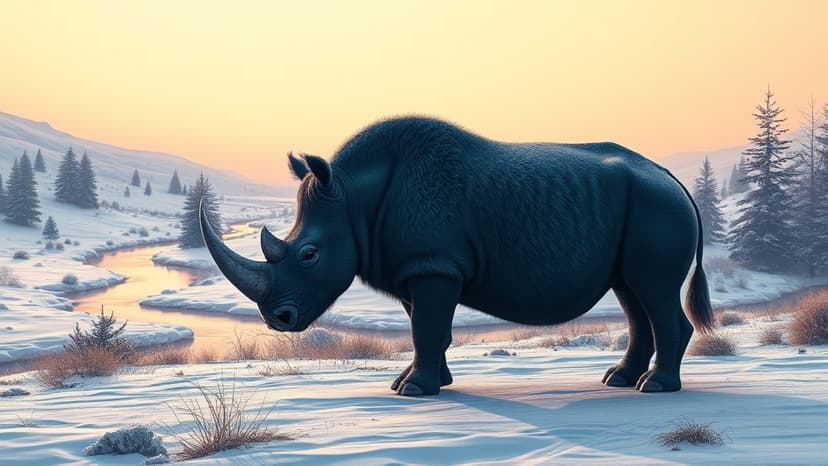
Researchers have unlocked secrets of the woolly rhinoceros's extinction by analyzing its DNA found within a 14,400-year-old mummified wolf cub discovered in Siberia. The remarkably preserved remains allowed scientists to decode the rhino's genome from its last meal, offering unprecedented insight into the species' final centuries.
The analysis revealed that the woolly rhino population was larger and more stable than previously assumed. Researchers found no evidence of "genomic erosion," which typically occurs in declining species. This suggests that the extinction was not a slow decline but a comparatively rapid event, likely occurring over 300 to 400 years.
Further study indicates that a significant climate shift, the Bølling-Allerød Interstadial, approximately 14,700 to 12,900 years ago, transformed the landscape. This abrupt warming period is now considered the most probable cause of the woolly rhinoceros's extinction, rather than human hunting, as the species' population remained viable for millennia after humans arrived in the region.