Home / Science / Winter Solstice 2025: Darkest Day Arrives!
Winter Solstice 2025: Darkest Day Arrives!
17 Dec, 2025
Summary
- Astronomical winter begins December 21st with the Northern Hemisphere tilted furthest from the sun.
- The winter solstice marks the year's shortest daylight hours in the Northern Hemisphere.
- Earth's tilted axis, a result of ancient solar system collisions, causes the seasons.
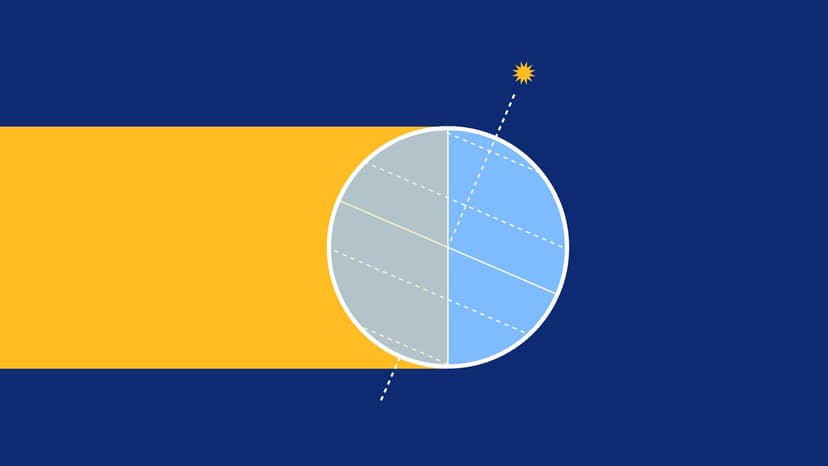
On December 21st, the Northern Hemisphere officially ushers in astronomical winter, coinciding with the winter solstice. This moment signifies the Earth's Northern Hemisphere being tilted at its furthest point away from the sun. Consequently, this day experiences the fewest hours of daylight in the Northern Hemisphere.
The Earth's axial tilt, a phenomenon likely resulting from early solar system impacts billions of years ago, is the fundamental cause of our planet's seasons. As the Northern Hemisphere tilts away from the sun during winter, it receives less solar energy, leading to colder temperatures and shorter days.
Following the winter solstice, daylight hours will progressively increase until the summer solstice in 2026, which represents the longest day of the year. This contrasts with equinoxes in March and September, when day and night are approximately equal, marking the start of spring and autumn respectively.