Home / Science / Drones Capture Whale Breath for Disease Discovery
Drones Capture Whale Breath for Disease Discovery
3 Jan
Summary
- Drones collected breath samples from wild Arctic whales.
- Virus linked to mass strandings found in Arctic waters.
- Drone sampling is a less invasive method for studying whales.
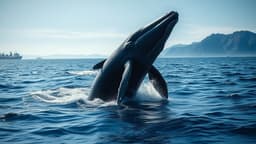
A groundbreaking study has successfully employed drones to collect breath samples from wild whales in Arctic regions, marking a significant advancement in marine mammal research. This innovative approach allows scientists to study the health of these elusive creatures without invasive procedures. Previously, samples were primarily obtained from dead whales or via dart guns, leaving wounds on live animals.
The drone technology enabled researchers to gather exhales from surfacing whales onto petri dishes, leading to the first detection of cetacean morbillivirus in Arctic waters. This virus has been responsible for numerous outbreaks affecting dolphins, whales, and porpoises worldwide since its discovery in 1987. It significantly impacts their respiratory and neurological systems.
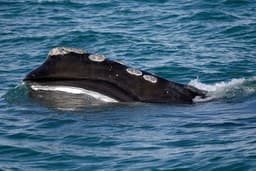
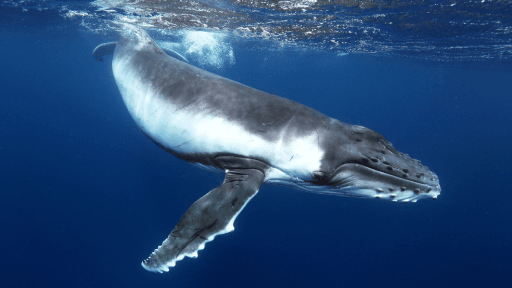
This discovery in northern Norway, affecting humpback, sperm, and pilot whales, highlights potential gaps in previous surveillance. Scientists anticipate that continued data collection over years will help unravel disease transmission patterns, potentially revealing how stressors like pollution and climate change influence these dynamics, aiding future conservation efforts.