Home / Science / Webb Telescope Finds Heavy Metals Near Galactic Black Hole
Webb Telescope Finds Heavy Metals Near Galactic Black Hole
22 Oct
Summary
- JWST discovered heavy metals as gas clouds near the galaxy's central black hole.
- These metals likely originated from supernovas, exploding stars.
- The metal presence may explain why the black hole consumes less material.
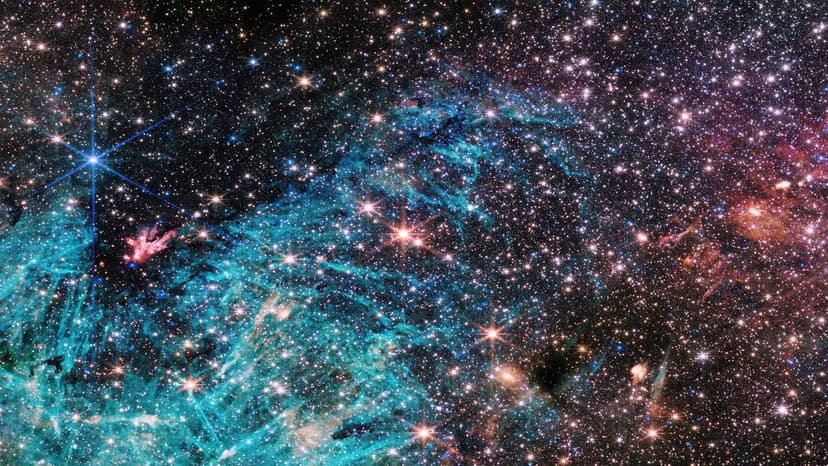
New observations from the James Webb Space Telescope (JWST) have revealed a significant presence of heavy metals, typically elements heavier than hydrogen and helium, swirling near the Milky Way's supermassive black hole, Sagittarius A*. These metals, detected as gas, are thought to have originated from past supernova events, which are stellar explosions that disperse these elements into space.
The composition of the detected gas mirrors that of nearby stars, suggesting a common origin point for both. This finding is crucial for understanding the feeding habits of Sagittarius A*, which appears to consume material at a much slower pace than other supermassive black holes. Researchers are investigating whether the available materials, including these metals, influence the black hole's activity.
These metals can affect how gases cool in the vicinity of the black hole, potentially impacting the rate at which material is drawn into it. Previous studies indicated that gas emissions near Sagittarius A* are influenced by local cloud conditions, complicating efforts to use gas alone as a measure of the black hole's past activity.


