

Home / Science / Sharks Face 'Double Jeopardy' From Climate Change
Sharks Face 'Double Jeopardy' From Climate Change
17 Apr
Summary
- Warm-bodied fish burn up to four times more energy than cold-blooded fish.
- A 10C rise in body temperature more than doubles a fish's metabolic rate.
- Larger fish generate heat faster than they can lose it, risking overheating.
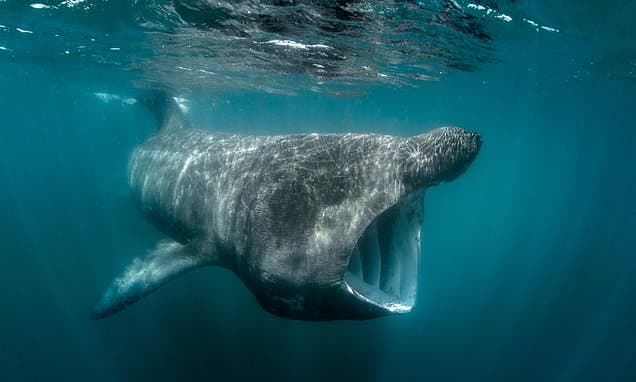
Warm-bodied fish, including Ireland's basking sharks and species like tuna, face an increased risk of overheating as ocean temperatures rise. Research indicates these fish expend up to four times more energy than their cold-blooded counterparts. A mere 10C increase in body temperature more than doubles their metabolic rate, necessitating greater food consumption.
The escalating ocean temperatures create a "double jeopardy" scenario, as these high-energy-demand species are already impacted by overfishing and declining prey. Larger individuals of these "mesothermic" species face a physiological challenge in dissipating metabolic heat, leading to an "overheating dilemma."
This imbalance means that as oceans warm, particularly during summer months, the suitable habitats for these large fish are predicted to shrink significantly. They may be forced to relocate towards cooler, polar regions or deeper waters, potentially impacting their predatory performance and survival.
The findings highlight the significant energetic costs of being a high-performance predator in marine environments. As oceans continue to warm at unprecedented speeds, these species are being pushed towards their physiological limits, necessitating further research into ecosystem shifts.

