

Home / Science / Silent Volcanoes Hide Growing Magma
Silent Volcanoes Hide Growing Magma
28 Apr
Summary
- Volcanoes can remain dormant for over 100,000 years.
- Superhydrous, water-rich magma fuels silent growth underground.
- Seismic and ground bulge data can detect magma accumulation.
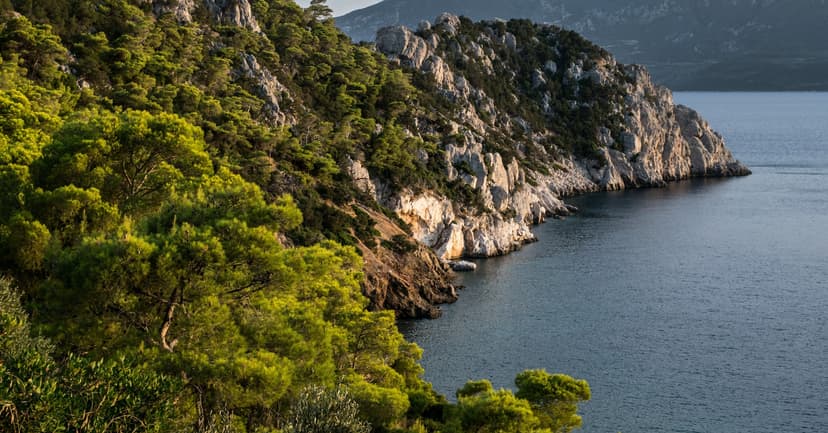
Volcanoes may appear extinct after prolonged silence, but new research suggests they can remain dormant for over 100,000 years before reawakening. A study of Greece's Methana Volcano challenges the idea that volcanoes are extinct after 10,000 years without an eruption.
The Methana Volcano experienced a quiet period lasting from approximately 280,000 to 168,000 years ago. This lengthy quiescence was not a sign of extinction but rather a phase of substantial magma accumulation beneath the surface. Scientists analyzed zircon and ilmenite crystals to reconstruct 700,000 years of activity.
This phenomenon is linked to superhydrous magmas, which are extremely water-rich. These magmas rise and bubble, causing crystallization that makes them viscous and slows their ascent significantly, trapping them in underground chambers. This allows the magma reservoir to grow, potentially leading to more voluminous and energetic future eruptions.
Sensitive instrumentation like seismometers and GPS satellites can detect the subtle seismic activity and ground deformation associated with this silent magma buildup. While Methana is not currently considered a major threat, similar processes may be occurring in other seemingly inactive volcanoes globally, including in regions like Japan and the Americas.
