Home / Science / Volcanic Ash: From Nuisance to Nutrient for Crops
Volcanic Ash: From Nuisance to Nutrient for Crops
17 Mar
Summary
- Volcanic ash from Mount Etna is being repurposed into a valuable fertilizer.
- This innovation offers a more sustainable and cost-effective alternative to chemical fertilizers.
- Regulatory hurdles and slow industry adaptation impede widespread adoption of the ash fertilizer.
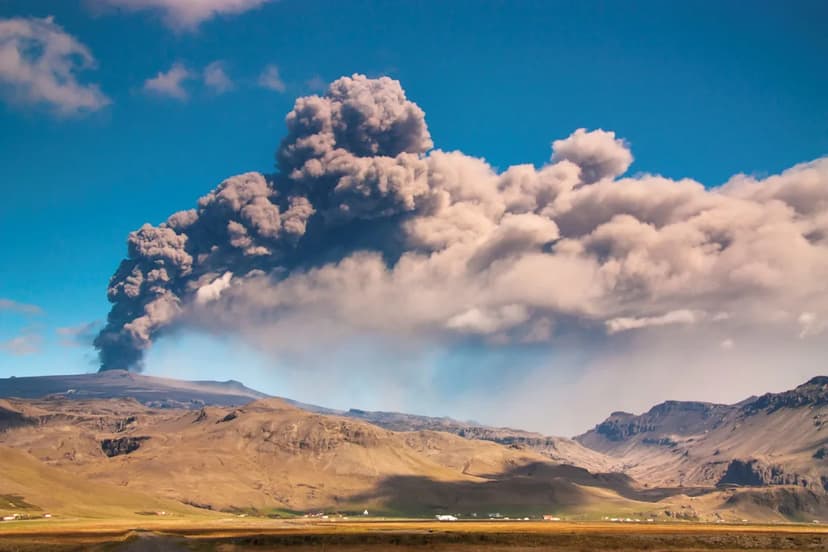
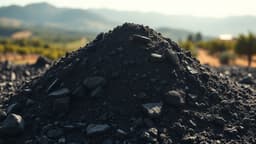
Researchers at the University of Catania have identified a way to transform the volcanic ash from Mount Etna into a beneficial fertilizer. For generations, Sicilian farmers have contended with ash from the volcano, which pollutes water and hinders crop growth. This new discovery turns that long-standing nuisance into a potential agricultural asset, offering a more sustainable and cost-effective alternative to chemical fertilizers.
Farmer Andrea Passanisi highlighted the benefits, stating that it reduces the need for chemicals, making fertilization cheaper and more respectful of nature. This ash-based fertilizer also offers an advantage over chemical alternatives by decreasing the risk of crops becoming tainted with harmful substances like PFAS. However, the path to widespread adoption faces obstacles.
Despite the process being significantly cheaper than waste disposal, current Italian and European regulations classify volcanic ash as waste. While regional guidelines have eased, allowing for ash recycling, the private sector has been slow to implement these changes. Lead researcher Paolo Roccaro noted that over a year after the regional guidelines shifted, no companies are registered to process the ash for production, emphasizing the need to promote this alternative approach for future systemic reuse.