Home / Science / South Korea's Eyes on Earth Launch: Vega C Mission Success
South Korea's Eyes on Earth Launch: Vega C Mission Success
2 Dec, 2025
Summary
- Vega C rocket successfully launched South Korea's KOMPSAT-7 satellite.
- The satellite significantly enhances South Korea's Earth observation capabilities.
- Launch responsibility for Vega C rockets is transitioning from Arianespace to Avio.
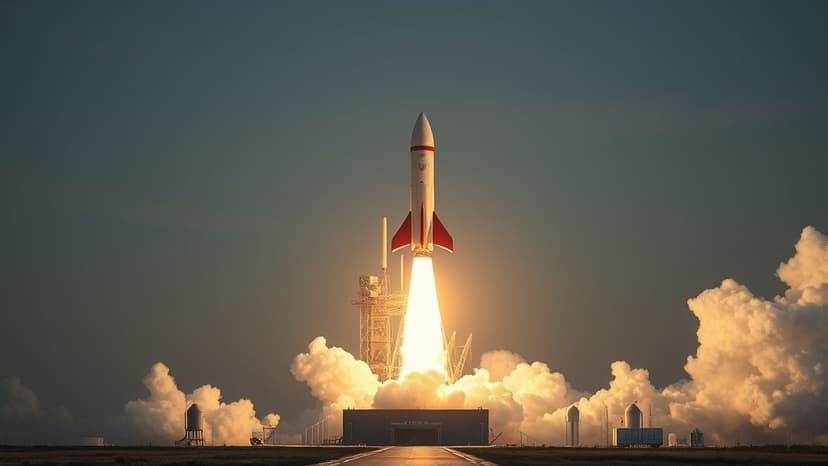
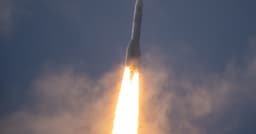
On December 1st, a Vega C rocket commenced the VV28 mission from Kourou, French Guiana, successfully deploying the KOMPSAT-7 satellite. This 1,810-kilogram satellite, developed by the Korea Aerospace Research Institute, is poised to significantly enhance South Korea's Earth observation capacities with its high-resolution imagery capabilities, serving as a replacement for the KOMPSAT-3A.
The successful launch occurs as the operational control of Vega C rockets is transitioning from Arianespace to Avio, the Italian prime contractor. This handover is scheduled for completion following one additional mission, VV29, which has been postponed to early 2026. Despite the shift, Avio has confirmed its readiness to assume full launch service operator responsibilities.