Home / Science / Cancer Research: US-China Cooperation Amidst Mistrust
Cancer Research: US-China Cooperation Amidst Mistrust
20 Sep
Summary
- China leads in active oncology trials, surpassing the US.
- Precision oncology requires multinational research networks.
- Global data sharing can improve cancer treatment outcomes.
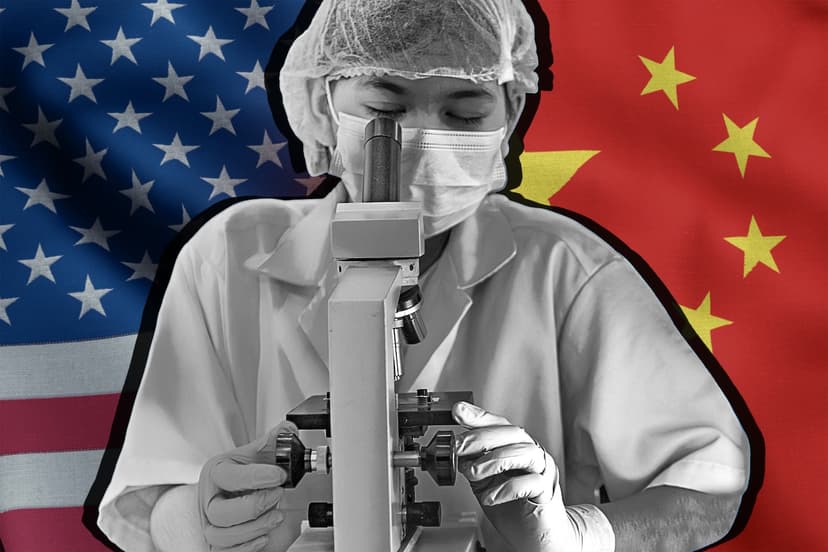
The United States and China, geopolitical rivals, are exploring cooperation in AI safety, and cancer research offers another practical avenue. China contributes 21 percent of active oncology trials, exceeding the U.S.'s 16 percent, yet only 18 percent of these studies are international. This separation is particularly costly for precision oncology, where treatment is based on a patient's unique tumor biology.
Precision oncology often involves dispersed patient populations, making national research insufficient. Sid Sijbrandij's personal experience highlights the need for international collaboration, as he received experimental scans in Beijing and other treatments from the U.S. and Germany. This approach is crucial as cancer research identifies smaller molecular subtypes, requiring larger, more diverse patient cohorts for effective treatment.
Genomic data, vital for precision medicine and AI tools, shows significant underrepresentation of East Asian populations in global studies. Establishing multinational research networks with shared protocols could allow for larger pools of comparable cases, improving treatment efficacy and side effect identification. While genomic data requires protection, collaborative research on scientific questions and analytic methods is possible, with aggregate findings traveling across borders.
The U.S. Food and Drug Administration already has mechanisms to accept qualifying foreign studies. American and Chinese investigators can leverage these to design studies that evaluate evidence across diverse populations, especially crucial for rare cancers that struggle with enrollment. The pharmaceutical industry is already active, with significant drug candidate origins in China, demonstrating the value of scientific exchange.
Ultimately, while sensitive assets and military-applications technologies require strict protection, cancer research can thrive through a model where data remains domestic, but research methods and validated evidence travel internationally. This framework allows for advancements in treating rare cancers and improving patient outcomes, even amidst deep strategic mistrust between the two nations.


