

Home / Science / Urban Wildlife: Why Are Lizards and Frogs Thriving?
Urban Wildlife: Why Are Lizards and Frogs Thriving?
28 Apr
Summary
- Listener experiences a surprising increase in garden lizards and frogs.
- Experts link amphibian and reptile presence to habitat changes.
- Gardening can be improved by natural pest control from wildlife.
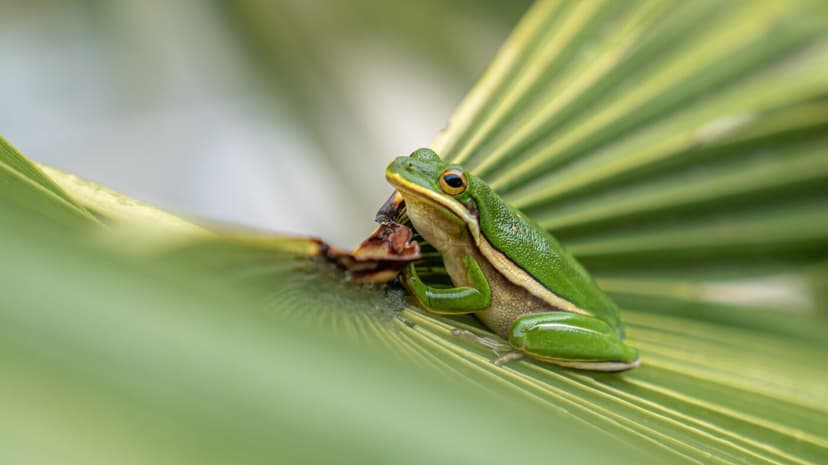
A resident of Lawrenceville, Georgia, has reported an unusual surge in garden lizards and frogs, leading to concerns about an unexplained population explosion.
Local experts explain that common native amphibians and reptiles are adaptable to urban environments and can thrive in residential areas. Changes in landscaping, like reduced mowing or the addition of water features, often create more hospitable conditions for these species.
While some homeowners may seek to deter wildlife, experts suggest that these animals can be beneficial. Lizards and frogs are significant predators of garden pests and insects, contributing to a healthier ecosystem.
This trend of increased urban wildlife sightings extends beyond Atlanta, reflecting broader patterns in developing areas where animal habitats are altered by human expansion. Such changes can impact amphibian and reptile populations, forcing them to adapt or relocate.
Experts also highlight other human-related impacts, including habitat fragmentation from roads, chemical use, and the presence of domestic predators like outdoor cats, which significantly affect amphibian and reptile mortality rates.
However, opportunities exist for humans to support local wildlife by planting native species, reducing pesticide use, and maintaining natural water sources. Community science programs are also emerging to better monitor amphibian and reptile populations.

