feedzop-word-mark-logo
searchLogin
Feedzop
homeFor YouIndiaIndia
You
bookmarksYour BookmarkshashtagYour Topics
Trending
trending

Aequs IPO gains brokerage backing

trending

IRCTC online ticket bookings increase

trending

Indigo flight cancellations pilot rules

trending

USA World Cup 2026

trending

Drugs bust like Breaking Bad

trending

Game of Thrones spin-off renewed

trending

India South Africa security blanket

trending

Apple TV renews 'Platonic'

trending

3I/ATLAS spurs defense drills

Terms of UsePrivacy PolicyAboutJobsPartner With Us

© 2025 Advergame Technologies Pvt. Ltd. ("ATPL"). Gamezop ® & Quizzop ® are registered trademarks of ATPL.

Gamezop is a plug-and-play gaming platform that any app or website can integrate to bring casual gaming for its users. Gamezop also operates Quizzop, a quizzing platform, that digital products can add as a trivia section.

Over 5,000 products from more than 70 countries have integrated Gamezop and Quizzop. These include Amazon, Samsung Internet, Snap, Tata Play, AccuWeather, Paytm, Gulf News, and Branch.

Games and trivia increase user engagement significantly within all kinds of apps and websites, besides opening a new stream of advertising revenue. Gamezop and Quizzop take 30 minutes to integrate and can be used for free: both by the products integrating them and end users

Increase ad revenue and engagement on your app / website with games, quizzes, astrology, and cricket content. Visit: business.gamezop.com

Property Code: 5571

Home / Science / Uranus Radiation Mystery Solved by Voyager 2 Data

Uranus Radiation Mystery Solved by Voyager 2 Data

5 Dec

•

Summary

  • Voyager 2 data from 1986 is re-analyzed for Uranus's radiation levels.
  • Unusual radiation spikes likely caused by solar wind storms, not planet.
  • New study suggests Uranus data misinterpreted due to solar activity.
Uranus Radiation Mystery Solved by Voyager 2 Data

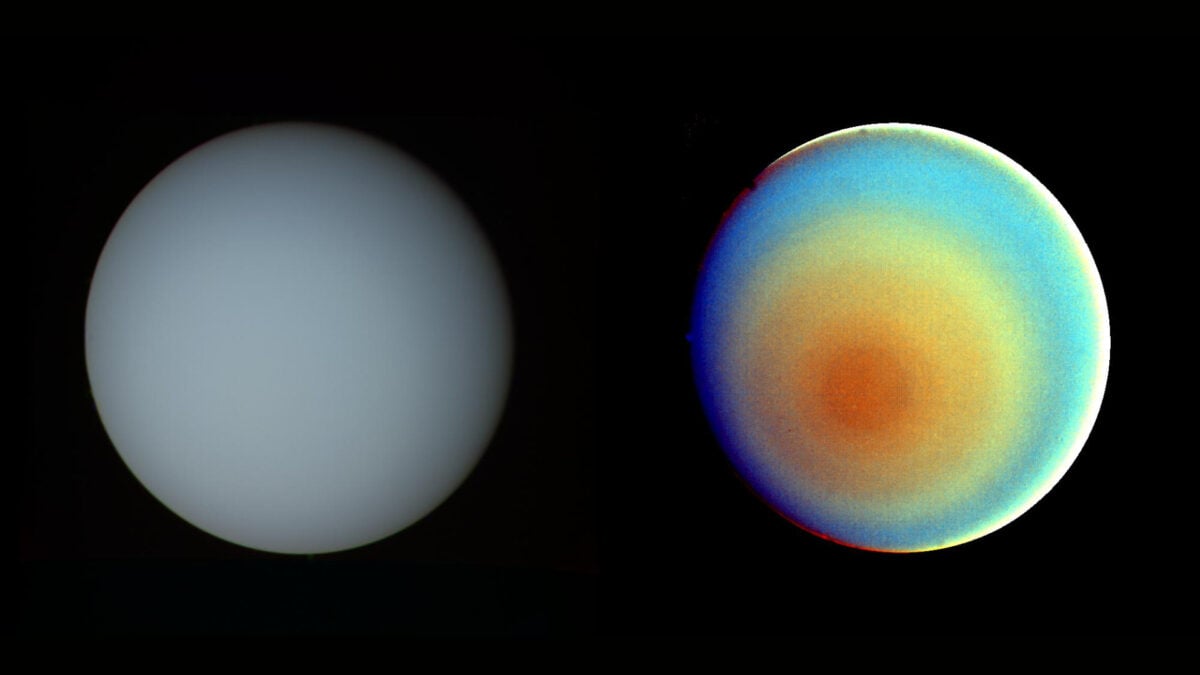
Decades after Voyager 2's historic 1986 flyby, scientists are revisiting its data on Uranus, uncovering potential misinterpretations regarding the planet's radiation levels. A recent study suggests that the "off the charts" electron radiation belts observed were likely not indicative of Uranus's natural state, but rather the result of a solar wind storm.

Astronomers now believe Voyager 2 happened to visit Uranus on a day of unusual solar activity, which warped the planet's magnetosphere. This led to a skewed perception of Uranus's typical radiation environment. The findings draw parallels with Earth's current experiences with solar storms impacting its own radiation belts and magnetic fields.

The re-analysis, inspired by previous work, utilized modern understanding and comparative data from a 2019 Earth event. While this new perspective clarifies the 39-year-old mystery, it also underscores the limitations of relying on a single spacecraft encounter and highlights the pressing need for future direct observations of Uranus.

Disclaimer: This story has been auto-aggregated and auto-summarised by a computer program. This story has not been edited or created by the Feedzop team.
Voyager 2 observed unusually high energy levels in Uranus's electron radiation belts during its 1986 flyby.
It's believed Voyager 2 visited Uranus during a solar wind storm, causing temporary, extreme radiation levels that were mistaken for typical conditions.
Yes, the re-analysis of Voyager 2 data highlights the need for new, direct observations to better understand Uranus's dynamic magnetosphere.

Read more news on

Scienceside-arrowEarthside-arrow

You may also like

Mars Rover Detects Elusive Lightning Strikes!

26 Nov • 78 reads

article image

Voyager 1 Nears Light-Day Milestone

25 Nov • 36 reads

article image

Blue Origin's Mega Rocket Gets Bigger, Taller Than Saturn V

20 Nov • 83 reads

article image

SpaceX Launches Satellite to Tackle Global Sea Level Rise

17 Nov • 104 reads

article image

NASA Weighs Alternatives to SpaceX's Starship for Artemis III Lunar Mission

14 Nov • 74 reads