

Home / Science / Radiation's Secrets: Faster Decay, Smarter Control
Radiation's Secrets: Faster Decay, Smarter Control
21 Apr
Summary
- Some radioactive materials decay quickly, unlike public perception.
- Radionuclides migrate through air, soil, water, and food chains.
- Scientific instruments accurately measure radiation for safety.
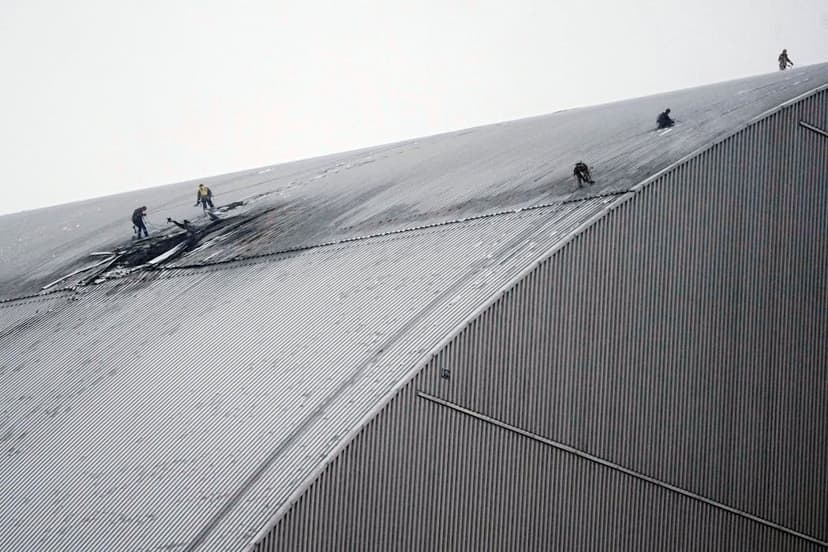
Public perception often exaggerates the persistence of radiation following nuclear accidents. In reality, some radioactive materials decay quickly. Major accidents such as Chernobyl and Fukushima Daiichi released radionuclides that dispersed via air, soil, and water.
These radionuclides can accumulate in the environment and enter the food chain. For instance, cesium behaves like potassium, impacting human tissues, while strontium mimics calcium, affecting bones. Scientists utilize sophisticated instruments like Geiger counters to accurately measure radiation levels.
Mapping technologies create visual representations of contamination spread, aiding cleanup efforts. Management strategies include removing contaminated soil or creating barriers with clean materials. Chemical treatments can also reduce radionuclide uptake by plants.
Long-term studies provide critical data on radionuclide behavior over decades, influenced by environmental factors. Effective communication is also vital; timely, transparent, and accurate information is crucial for public understanding and trust during crises.
