Home / Science / Tokyo's Palace Forest: New Species Found, Old Ones Vanish
Tokyo's Palace Forest: New Species Found, Old Ones Vanish
4 Oct
Summary
- A 30-year study of Tokyo's Imperial Palace forest revealed new species.
- Native Japanese tree frogs and candleflame lichen have disappeared.
- Alien species like bullfrogs and mosquitofish are increasing.
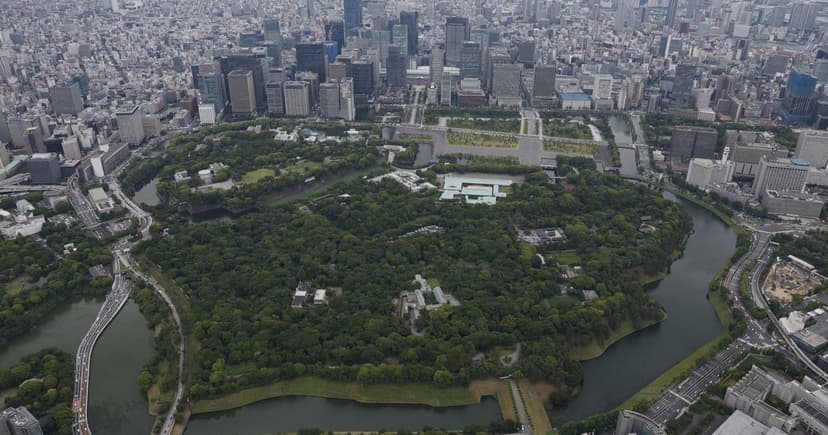
A comprehensive 30-year study of the Imperial Palace forest in Tokyo has yielded significant findings regarding its biodiversity. Launched in 1996 at the wish of Emperor Emeritus Akihito, the survey documented a total of 7,982 plant and animal species. Researchers identified new species, such as the large Anemone imperialis flower and a unique mite, Eotetranychus palatiensis. The presence of apex predators like goshawks and owls was also confirmed, indicating a healthy ecosystem.
However, the survey also highlighted troubling environmental changes. Native Japanese tree frogs have disappeared, replaced by invasive bullfrogs. Similarly, native fish are believed to have been supplanted by aggressive mosquitofish, both alien species. Candleflame lichen, once resilient, has almost vanished from its host tree, raising concerns about environmental quality. Researchers believe climate change may be a factor in the northward shift of dragonfly species observed.
An exhibition detailing the survey's results is planned for March 2027 at the National Museum of Nature and Science in Tokyo. Scientists view the forest's changing species composition as a critical warning about environmental health, even in a protected urban sanctuary.


