feedzop-word-mark-logo
searchLogin
Feedzop
homeFor YouIndiaIndia
You
bookmarksYour BookmarkshashtagYour Topics
Trending
Terms of UsePrivacy PolicyAboutJobsPartner With Us

© 2026 Advergame Technologies Pvt. Ltd. ("ATPL"). Gamezop ® & Quizzop ® are registered trademarks of ATPL.

Gamezop is a plug-and-play gaming platform that any app or website can integrate to bring casual gaming for its users. Gamezop also operates Quizzop, a quizzing platform, that digital products can add as a trivia section.

Over 5,000 products from more than 70 countries have integrated Gamezop and Quizzop. These include Amazon, Samsung Internet, Snap, Tata Play, AccuWeather, Paytm, Gulf News, and Branch.

Games and trivia increase user engagement significantly within all kinds of apps and websites, besides opening a new stream of advertising revenue. Gamezop and Quizzop take 30 minutes to integrate and can be used for free: both by the products integrating them and end users

Increase ad revenue and engagement on your app / website with games, quizzes, astrology, and cricket content. Visit: business.gamezop.com

Property Code: 5571

trending

Chelsea beats West Ham 3-2

trending

Liverpool, Newcastle face injury woes

trending

WWE Royal Rumble in Riyadh

trending

Barcelona faces Elche in LaLiga

trending

Goretzka staying at Bayern Munich

trending

ICC T20 World Cup squads

trending

Gold, silver ETFs crashed

trending

Curran, Pandya T20Is stats compared

trending

Suryakumar Yadav T20I record

Home / Science / Scientists Discover Secret to Tissue Regeneration

Scientists Discover Secret to Tissue Regeneration

18 Jan

Summary

  • New study identifies cells that activate apoptosis but halt death for tissue regrowth.
  • Caspace enzymes play a dual role in cell survival and promoting neighboring cell growth.
  • Mechanism could improve cancer therapy and advance regenerative medicine applications.
Scientists Discover Secret to Tissue Regeneration

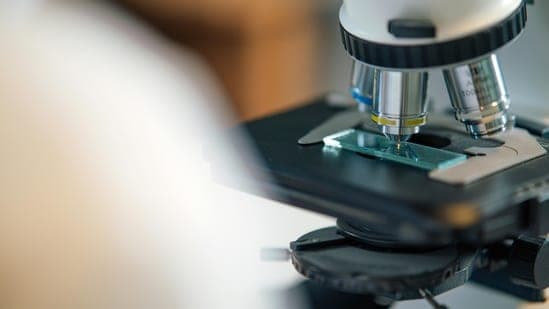
A recent study has illuminated the long-observed phenomenon of "compensatory proliferation," revealing the specific cells responsible for tissue regrowth after radiation damage. For decades, scientists knew that some cells survived radiation and regenerated tissue, but the precise mechanism remained elusive until now. Researchers successfully identified these crucial cells by observing their behavior in fruit fly tissue.

These identified cells initiate the early stages of apoptosis, or programmed cell death, but then arrest the process, allowing them to survive. Activated caspases, enzymes typically associated with cell death, are key to this survival. They trigger signals for neighboring cells to grow, leading to rapid and controlled tissue rebuilding within 48 hours of radiation exposure.

The implications of this discovery are far-reaching, extending from improving cancer radiation therapy to advancing regenerative medicine. Scientists aim to manipulate this survival mechanism to make cancer cells more susceptible to treatment. The findings also suggest new strategies for enhancing healing after injuries or surgery, and potentially slowing degenerative diseases like Alzheimer's and Parkinson's.

Disclaimer: This story has been auto-aggregated and auto-summarised by a computer program. This story has not been edited or created by the Feedzop team.
Compensatory proliferation is the ability of tissue to regrow after radiation causes significant cell death, a process now understood to be driven by specific surviving cells.
In regenerative cells, caspases are activated but restrained, allowing the cells to survive and promote growth in surrounding tissue.
Yes, understanding the cell survival mechanism used in regeneration could lead to ways to block cancer cells from exploiting a similar process.

Read more news on

Scienceside-arrow
•

You may also like

Kidney Disease's Toxic Secret for Your Heart Revealed

1 day ago • 4 reads

article image

Gut Immune Cells Fuel Parkinson's Brain Spread

30 Jan • 15 reads

article image

Blood Sugar Spikes Linked to Higher Alzheimer's Risk

29 Jan • 17 reads

article image

Aging Reversed? Gut Link to Cell Repair Found

23 Jan • 47 reads

article image

Microplastics Invade Human Brains

5 Jan • 166 reads

article image