Home / Science / Scientists Discover Secret to Tissue Regeneration
Scientists Discover Secret to Tissue Regeneration
18 Jan
Summary
- New study identifies cells that activate apoptosis but halt death for tissue regrowth.
- Caspace enzymes play a dual role in cell survival and promoting neighboring cell growth.
- Mechanism could improve cancer therapy and advance regenerative medicine applications.
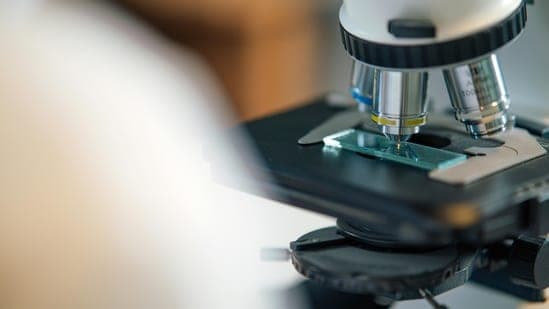
A recent study has illuminated the long-observed phenomenon of "compensatory proliferation," revealing the specific cells responsible for tissue regrowth after radiation damage. For decades, scientists knew that some cells survived radiation and regenerated tissue, but the precise mechanism remained elusive until now. Researchers successfully identified these crucial cells by observing their behavior in fruit fly tissue.
These identified cells initiate the early stages of apoptosis, or programmed cell death, but then arrest the process, allowing them to survive. Activated caspases, enzymes typically associated with cell death, are key to this survival. They trigger signals for neighboring cells to grow, leading to rapid and controlled tissue rebuilding within 48 hours of radiation exposure.
The implications of this discovery are far-reaching, extending from improving cancer radiation therapy to advancing regenerative medicine. Scientists aim to manipulate this survival mechanism to make cancer cells more susceptible to treatment. The findings also suggest new strategies for enhancing healing after injuries or surgery, and potentially slowing degenerative diseases like Alzheimer's and Parkinson's.