Home / Science / Quantum Clocks and Black Holes Reveal Time's True Nature
Quantum Clocks and Black Holes Reveal Time's True Nature
26 Jan
Summary
- Time's flow may be an emergent illusion from a timeless universe.
- Quantum mechanics and entanglement offer new ways to test time's nature.
- Black holes might serve as the universe's fundamental quantum clock.
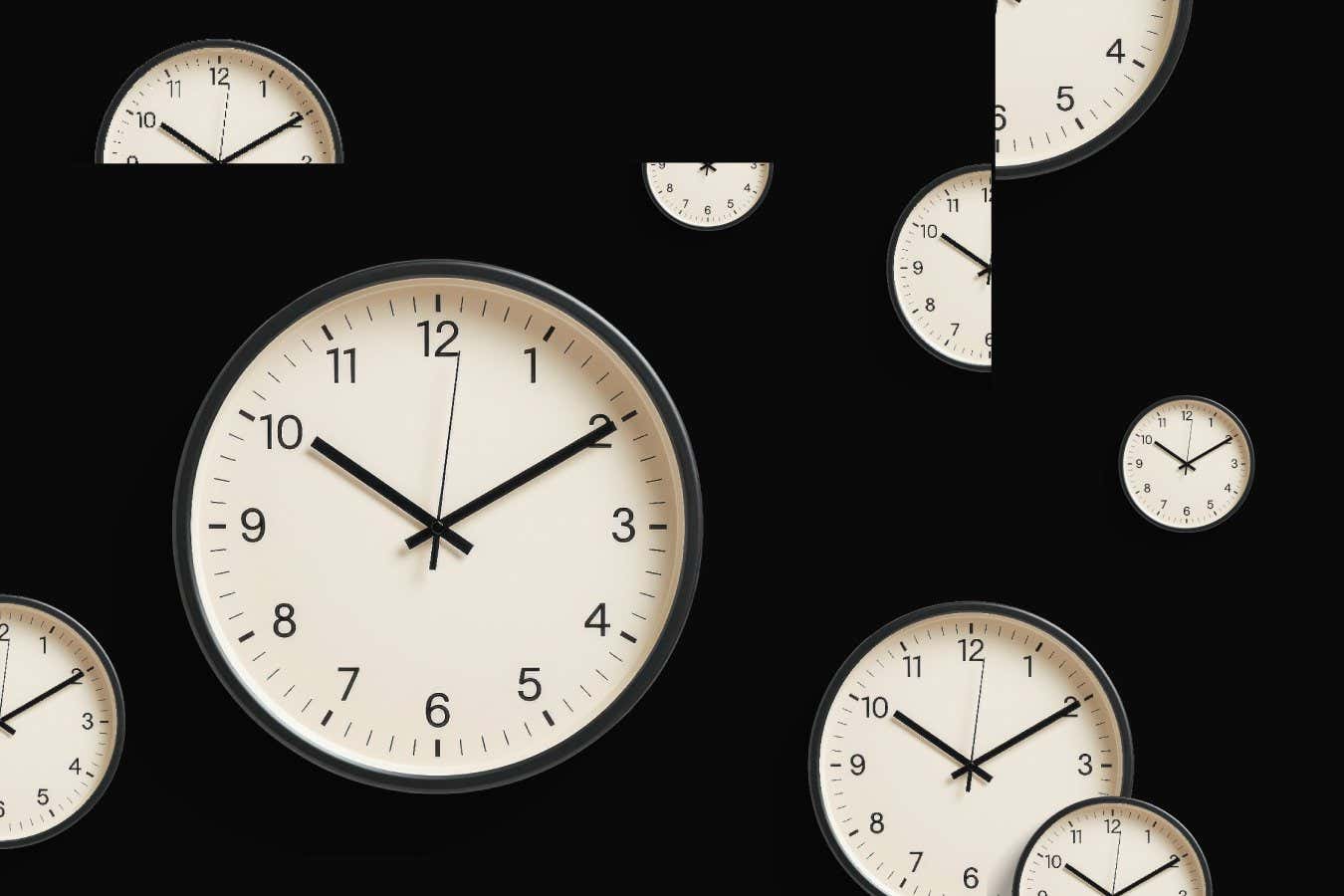
The fundamental nature of time, a concept deeply embedded in our daily lives, remains a profound mystery in physics. Current theories, from Einstein's relativity to quantum mechanics, offer incomplete explanations for why time flows in one direction. A compelling hypothesis from the 1980s, the Page-Wootters mechanism, posits that time is an emergent illusion from an essentially timeless universe, orchestrated by quantum mechanics.
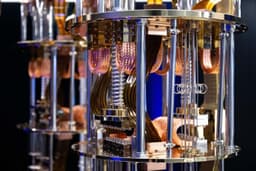
Recent advancements in quantum technology are now making this theory experimentally accessible. Researchers are developing sophisticated quantum clocks that treat timekeeping as a process requiring energy and producing heat, akin to engines. These efforts aim to understand the fundamental limits and properties of clocks, thereby probing the nature of time itself.
Further pushing the boundaries, scientists are exploring black holes as potential universal quantum clocks. Their unique properties, including entanglement with their surroundings, suggest they could serve as the 'clock' component in the Page-Wootters model. This interdisciplinary approach, merging quantum physics, thermodynamics, and cosmology, seeks to unravel the deepest secrets of temporal existence.