Home / Science / Night Bites: Ticks Hunt After Dark in Europe
Night Bites: Ticks Hunt After Dark in Europe
21 Sep
Summary
- Sheep ticks, carriers of Lyme disease, predominantly hunt at night.
- Nocturnal activity contradicts prior beliefs about tick behavior.
- Nighttime risk is elevated during warm, humid evenings and dawn.
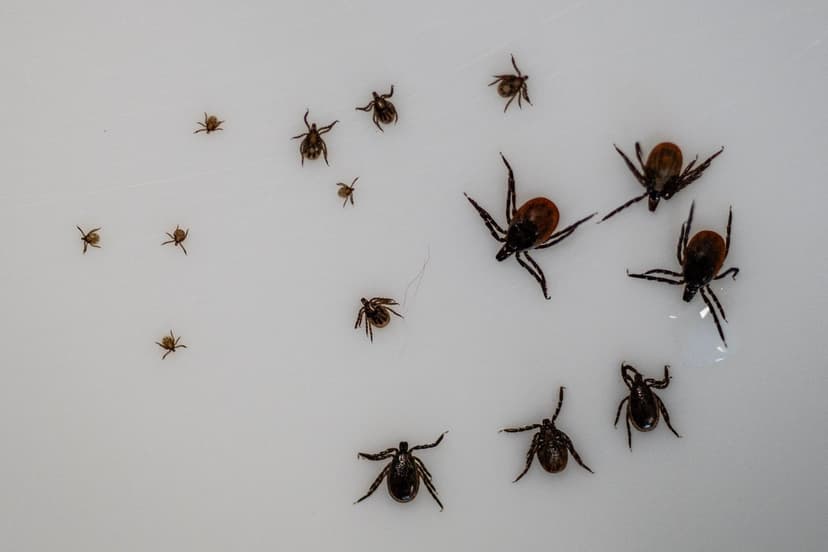
Contrary to popular belief, the sheep tick (Ixodes ricinus), a major vector for Lyme disease in Europe, actively seeks hosts primarily during nighttime hours. New research published in Parasites & Vectors provides detailed insights into this previously underestimated nocturnal behavior. This finding is critical for reassessing public exposure risks to ticks and the pathogens they carry.
The study conducted extensive sampling in England, revealing that host-seeking ticks are most active in darkness, likely due to cooler temperatures. This nighttime questing behavior may have evolved to align with the activity patterns of small mammals, their common hosts. The research suggests that during warmer periods, the risk of tick bites increases significantly at night and around dawn.
Factors like atmospheric moisture influence tick activity; cooler, wetter conditions allow for more even daily distribution, while dry periods force ticks to seek refuge. This nocturnal shift in behavior has significant implications for tick surveillance programs and public health advisories. As climate change progresses, altering temperature and humidity, year-round exposure risks in temperate regions like the UK may increase, particularly during nighttime and dawn hours.


