feedzop-word-mark-logo
searchLogin
Feedzop
homeFor YouIndiaIndia
You
bookmarksYour BookmarkshashtagYour Topics
Trending
trending

MCD to repair Delhi roads

trending

Mustafa Suleyman: Microsoft AI mission

trending

NBEMS NEET SS Admit Card

trending

Cyber gang scams elderly man

trending

Gold price hits all-time high

trending

Gujarat Kidney IPO opens today

trending

iOS 26.2 security update released

trending

Tata Harrier petrol launched

trending

Delhi weather: No cold wave

Terms of UsePrivacy PolicyAboutJobsPartner With Us

© 2025 Advergame Technologies Pvt. Ltd. ("ATPL"). Gamezop ® & Quizzop ® are registered trademarks of ATPL.

Gamezop is a plug-and-play gaming platform that any app or website can integrate to bring casual gaming for its users. Gamezop also operates Quizzop, a quizzing platform, that digital products can add as a trivia section.

Over 5,000 products from more than 70 countries have integrated Gamezop and Quizzop. These include Amazon, Samsung Internet, Snap, Tata Play, AccuWeather, Paytm, Gulf News, and Branch.

Games and trivia increase user engagement significantly within all kinds of apps and websites, besides opening a new stream of advertising revenue. Gamezop and Quizzop take 30 minutes to integrate and can be used for free: both by the products integrating them and end users

Increase ad revenue and engagement on your app / website with games, quizzes, astrology, and cricket content. Visit: business.gamezop.com

Property Code: 5571

Home / Science / Global Glaciers Melting, But Tajikistan's Grow: Why?

Global Glaciers Melting, But Tajikistan's Grow: Why?

17 Dec

•

Summary

  • Tajikistan's glaciers resist melting, unlike most worldwide.
  • Ice cores are being analyzed for clues to this anomaly.
  • Understanding this could help protect other shrinking glaciers.
Global Glaciers Melting, But Tajikistan's Grow: Why?

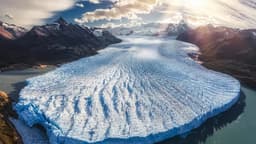
In the Pamir Mountains of Tajikistan, scientists are investigating a unique climatic phenomenon where glaciers have resisted the widespread melting seen elsewhere. Unlike thousands of glaciers projected to disappear this century due to global warming, those in this region have shown a surprising stability, even slight growth.

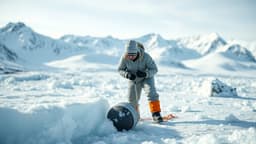
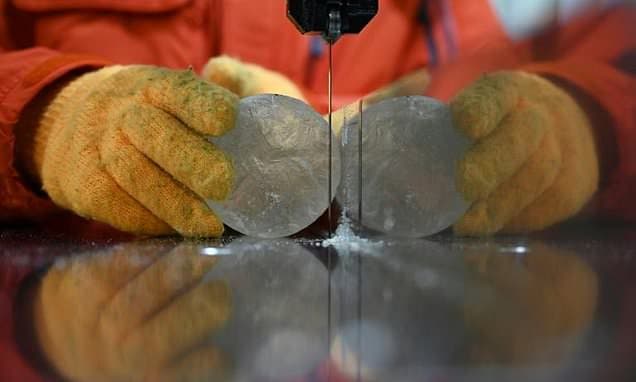
An international expedition has successfully extracted deep ice core samples from an altitude of approximately 5,810 meters. These cores, drilled from the Kon-Chukurbashi ice cap, are now undergoing meticulous analysis. Researchers are examining the ice's density, grain structure, and layers to reconstruct historical climate data, seeking to understand increased precipitation over the last century.

The findings from these ancient ice samples could provide crucial insights into how to protect vulnerable glaciers worldwide. By deciphering the mechanisms behind Tajikistan's anomaly, scientists hope to develop strategies that may eventually help reverse glacier loss, offering a glimmer of hope against the backdrop of a warming planet.

Disclaimer: This story has been auto-aggregated and auto-summarised by a computer program. This story has not been edited or created by the Feedzop team.
The Pamir-Karakoram anomaly refers to the unique phenomenon where glaciers in this mountainous region have resisted melting and even slightly grown, unlike most glaciers globally.
Scientists are studying these glaciers to understand the anomaly and hope to apply those findings to protect other disappearing glaciers worldwide.
Ice cores can reveal past climate conditions, precipitation levels, and atmospheric particles, offering insights into why the glaciers have resisted melting over the last century.

Read more news on

Scienceside-arrow

You may also like

Japan Jolted: Hundreds of Quakes Rock Islands, No Major Damage

11 hours ago • 4 reads

article image

Lake Naivasha Swallows Homes: Climate Change Displaces Thousands

5 hours ago • 4 reads

Climate Crisis Forces Turkmen Village to Retreat from Sands

18 Dec • 25 reads

article image

Tiger Spotted at Record Altitude in Himalayas

7 Dec • 89 reads

article image

Mother's Epic Trek to Screen Banned Film

1 Dec • 86 reads

article image