Home / Science / Caterpillar Munching Styrofoam Offers Plastic Waste Hope
Caterpillar Munching Styrofoam Offers Plastic Waste Hope
28 Jul
Summary
- Certain caterpillars digest styrofoam using gut fungi.
- Fungi species like Aspergillus and Talaromyces break down EPS.
- Giant mealworms could be key to scalable plastic degradation.
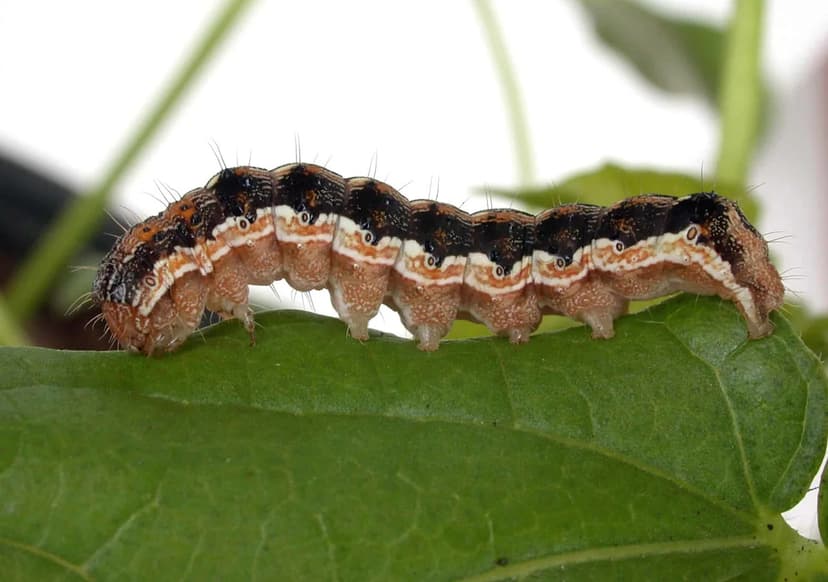
Researchers have identified a surprising potential solution to the persistent problem of styrofoam waste in the cotton bollworm caterpillar, Helicoverpa armigera. This common crop pest harbors gut fungi that can interact with and potentially digest expanded polystyrene (EPS), commonly known as styrofoam. The findings, published in BMC Microbiology, emerged from a study where caterpillars were fed exclusively styrofoam.
Scientists observed significant shifts in the gut fungal composition of these caterpillars. Specific fungi, including Aspergillus and Talaromyces, were found to thrive when the usual gut yeast Diutina was diminished. Experiments showed these fungi growing on styrofoam film, indicating they may use it as a carbon source for nourishment.
Building on this, the research team is now focusing on the giant mealworm, Zophobas morio, which can survive for extended periods eating only styrofoam. This insect's resilience makes it a promising candidate for developing a scalable biological degradation process. The ultimate goal is to create a collection of bacteria and fungi that can efficiently break down polystyrene, potentially offering a powerful new method for managing plastic waste worldwide.


