Home / Science / Massive Star Vanishes, Black Hole Mystery Unfolds
Massive Star Vanishes, Black Hole Mystery Unfolds
19 Jan
Summary
- A 20-times solar mass star in Andromeda mysteriously faded.
- Astronomers investigate a rare failed supernova or star merger.
- James Webb Telescope data reveals a dim object and dust cocoon.
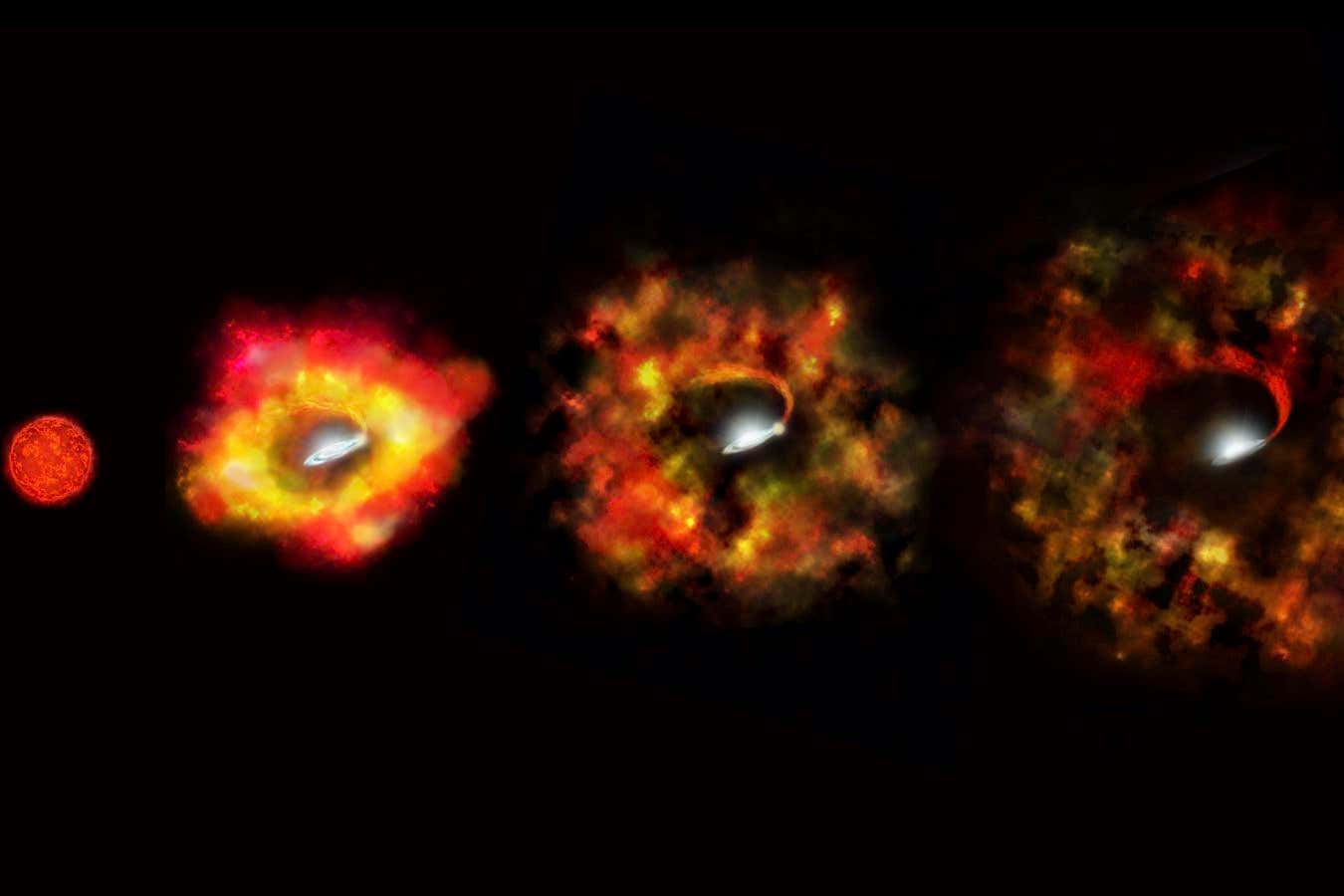
A massive star in the nearby Andromeda galaxy has seemingly disappeared, leaving astronomers to ponder a rare celestial event. Initially observed to brighten and then dramatically fade between 2017 and 2020, the star, M31-2014-DS1, is now the subject of intense study. Researchers from Columbia University initially proposed it underwent a failed supernova, directly collapsing into a black hole without a significant explosion.
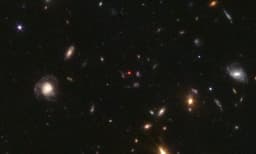
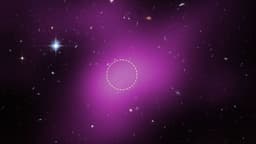
Further observations utilizing the James Webb Space Telescope and the Chandra X-ray Observatory have revealed a faint, red object cloaked in a dust cocoon at the star's former location. This observation supports the theory of a direct collapse into a black hole. However, an alternative hypothesis suggests the event could be the result of two stars merging, also producing an outburst and subsequent dimming.
While definitive evidence, such as X-ray radiation, is yet to be found, the implications are significant. Regardless of the exact cause, the event represents an unusual stellar fate and offers a unique chance to study the end stages of massive stars with advanced astronomical tools. The scientific community eagerly awaits further analysis to confirm whether a black hole has indeed formed.