Home / Science / Spider Silk: The Future of Nerve Repair?
Spider Silk: The Future of Nerve Repair?
11 Feb
Summary
- Silk from spiders and silkworms offers new hope for nerve injuries.
- Spider silk acts as a trellis, aiding nerve regrowth at 1.1mm daily.
- This innovative treatment aims for wider availability by 2027.
A groundbreaking discovery by scientists at the University of Oxford suggests that a combination of spider and silkworm silk could be pivotal in treating severe nerve injuries. Professor Alex Woods of Newrotex explained that nerves function like wired cords, and damage can lead to chronic pain or paralysis, affecting approximately 1 in 10 people in the UK.
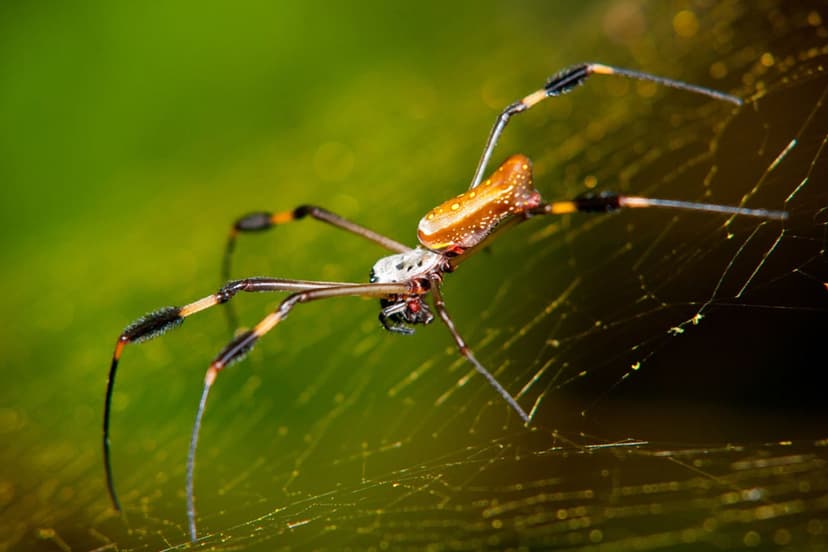
The current standard treatment, autografting, involves harvesting a healthy nerve from elsewhere in the body, which leads to a second injury. This method has a recovery rate below 50% for the 300,000 peripheral nerve injuries treated annually by the NHS. Newrotex's innovative approach utilizes silk fibers from golden orb-web spiders, native to southern and east Africa.
These biocompatible silk fibers create a "trellis-like structure" that bridges damaged nerves, promoting regeneration. In rat trials, nerve cells migrated at an impressive speed of over 1.1mm per day. The silk supports regeneration over gaps up to 10cm and is absorbed by the body within two years. The delicate process involves gently sedating spiders and stimulating their silk glands to harvest dragline fibers, which are stronger than steel by weight.
This "off-the-shelf" silk alternative promises to significantly reduce operation times, infection risks, and long-term rehabilitation costs. If future trials in the UK and America prove successful, this remarkable solution could become widely available by 2027, offering new hope for individuals suffering from debilitating nerve damage.