

Home / Science / Space Babies: Gravity's Role in Reproduction?
Space Babies: Gravity's Role in Reproduction?
30 Mar
Summary
- Microgravity disrupts sperm navigation, reducing fertilization rates.
- Early embryo quality and survival are compromised in simulated space.
- Gravity is critical for sperm to navigate toward an egg cell.
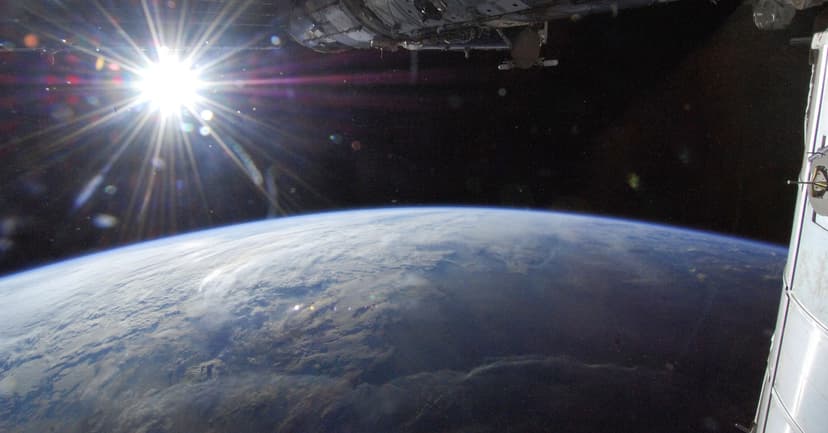
Establishing a long-term human presence on the moon and Mars faces a significant biological hurdle: reproduction in microgravity. Recent Australian research, simulating space conditions, has uncovered major challenges to fertility in extraterrestrial environments.
The study found that microgravity conditions disrupt sperm navigation, reduce fertilization rates, and compromise the quality and survival of early embryos. Human and mouse sperm were about 50% less effective at navigating simulated reproductive tracts, leading to a roughly 30% drop in fertilization success in mouse eggs.
Reproductive scientist Nicole McPherson explained that gravity is crucial for sperm navigation, as proteins on sperm surfaces act as mechanosensors that detect physical forces. Without gravity, sperm lose their directional reference, hindering their ability to find an egg. Adding progesterone, a hormone that acts as a homing signal, helped human sperm overcome these effects.
Further experiments with mouse embryos showed that while brief microgravity exposure might act as a selective filter, longer exposure during critical early development stages led to developmental delays and reduced cell counts. Similar complications were observed with pig cells, underscoring the broad challenges for reproduction beyond Earth.
