Home / Science / Space Junk's Hidden Threat: Ozone Depletion
Space Junk's Hidden Threat: Ozone Depletion
30 Dec, 2025
Summary
- Burning satellites release chemicals, depleting the ozone layer.
- Aluminum oxide nanoparticles from satellites have increased ozone destruction.
- A 'design for non-demise' approach suggests satellites survive reentry.
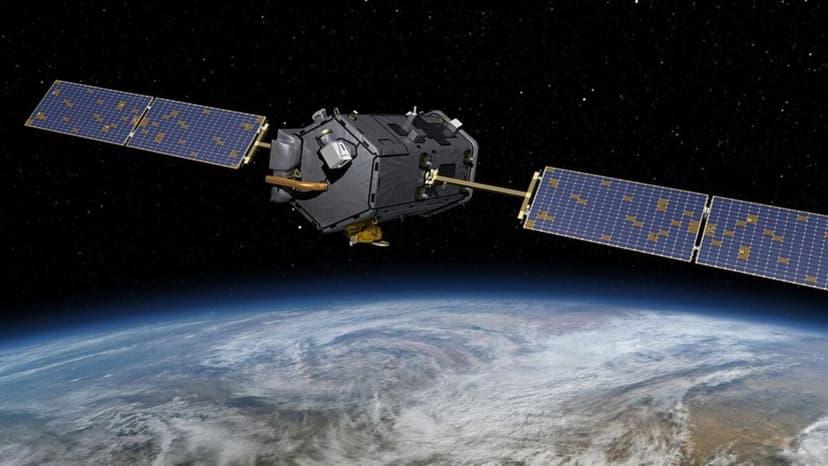
The escalating number of satellites burning up in Earth's atmosphere poses a growing threat to the protective ozone layer. Each year, thousands of end-of-life satellites disintegrate, releasing chemicals that catalyze ozone depletion. A recent study revealed that a typical satellite can produce substantial aluminum oxide nanoparticles upon reentry, leading to a significant increase in harmful atmospheric oxides.
This pollution directly impacts the stratosphere, where the ozone layer shields Earth from harmful ultraviolet radiation. The current practice of 'design for demise' aims to limit space debris but exacerbates environmental concerns. Researchers are now exploring an alternative: 'design for non-demise,' which involves creating satellites capable of surviving atmospheric reentry.
This novel approach, while presenting its own challenges like controlled reentry and increased costs, could mitigate atmospheric damage. Weighing the environmental impact of burning satellites against the risks of controlled reentry will be crucial in determining the future of space exploration and its ecological footprint.