Home / Science / Space Babies: Fertility's Final Frontier?
Space Babies: Fertility's Final Frontier?
4 Feb
Summary
- Human fertility in space is becoming an urgent practical concern for Mars missions.
- Space radiation may cause extreme developmental abnormalities in newborns.
- IVF technology is poised to play a critical role in future space exploration.
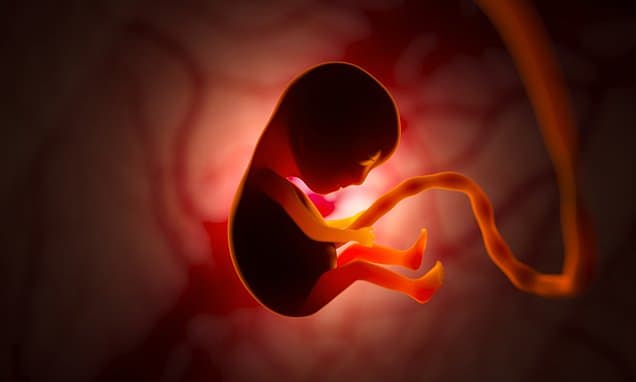
As humanity advances toward long-duration space missions, particularly to Mars, the issue of human reproduction in space is shifting from theoretical to practical. Experts highlight critical knowledge gaps concerning male and female fertility, as well as embryo and infant development under conditions of low gravity and high radiation.
Concerns have been raised that prolonged exposure to space radiation could result in extreme developmental abnormalities for newborns, potentially making them ill-suited for Earth's gravity. International collaboration is deemed essential to close these knowledge gaps and establish ethical guidelines for professional and private astronauts.
While current evidence suggests short-term missions have minimal impact on male fertility, extended stays pose potential hazards. Data on female astronauts indicates comparable pregnancy rates to Earth, but longer missions necessitate a deeper understanding of spaceflight's effects on reproductive endocrinology and assisted reproductive technologies.
In vitro fertilization (IVF) is anticipated to play a vital role in future space endeavors, with apparatus on the International Space Station already comparable to Earth-based IVF labs. The Moon is proposed as an initial testing ground for reproductive studies in reduced gravity, paving the way for sustained life on Mars.