

Home / Science / Sputnik I: The Dawn of Space Exploration
Sputnik I: The Dawn of Space Exploration
31 Mar
Summary
- The Soviet Union launched Sputnik I, humanity's first satellite, in 1957.
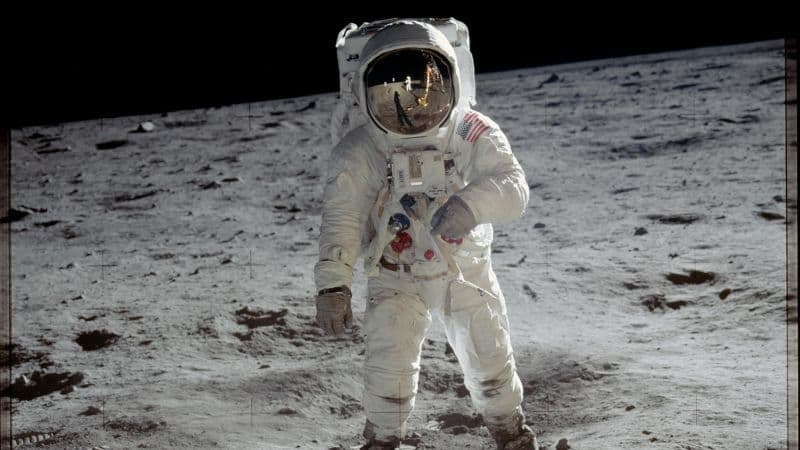
- Apollo 11 astronauts landed on the moon in 1969.
- Robotic explorers have ventured beyond our solar system.
Humanity's ambitious journey into space commenced approximately 70 years ago, initiated by the Soviet Union's groundbreaking launch of Sputnik I in October 1957. This event signaled the dawn of artificial satellite technology and humanity's initial reach for the cosmos.
Following this pioneering achievement, the era of human spaceflight began. Astronauts soon orbited Earth, offering breathtaking views of our planet from the void. A monumental milestone was achieved in 1969 when NASA's Apollo 11 mission successfully landed astronauts on the lunar surface, leaving the first human boot prints on the Moon.
Space missions have since evolved significantly, with durations and distances continually extending. These advancements have broken numerous records and pushed the limits of human capability in the challenging environment of space. Concurrently, robotic explorers have undertaken extensive missions, successfully landing on Mars, conducting tours of other planets, and venturing beyond the known boundaries of our solar system.
