Home / Science / Space Dragon Returns: Cancer, Bacteria, and 3D Hearts
Space Dragon Returns: Cancer, Bacteria, and 3D Hearts
23 Nov
Summary
- Tumor organoids and 3D-printed blood vessels returned from space.
- Microgravity studies explored antibiotic resistance in bacteria.
- ISS research aims to improve cancer treatments and human health.
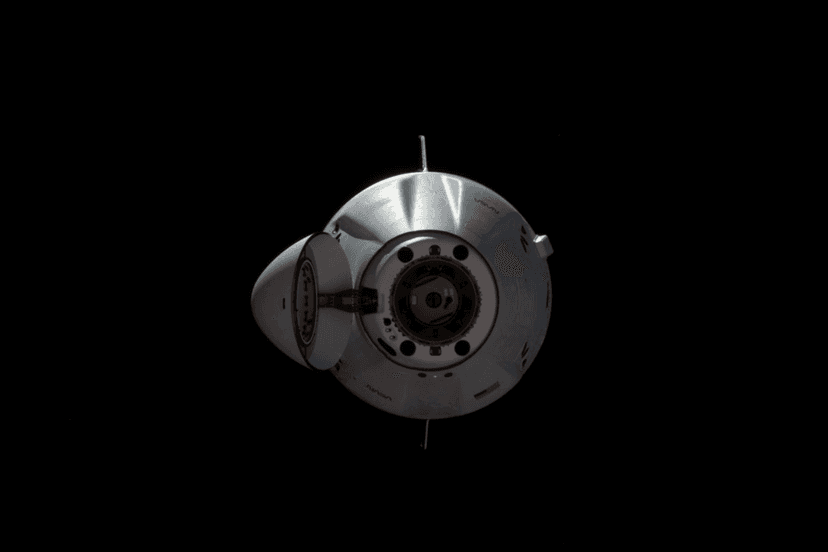
A SpaceX Dragon spacecraft concluded its mission by splashing down in the Pacific Ocean on Saturday, November 21, carrying vital scientific experiments from the International Space Station (ISS). This uncrewed capsule had been docked at the orbiting laboratory for over a month following its launch on October 13.
The returned cargo included advanced biological research samples. Scientists are now poised to examine 3D-bioprinted blood vessels, grown using human cells in microgravity. This research may reveal new information about cardiovascular disease and the aging process of blood vessels.
Further returning experiments involved frozen tumor organoids. These miniature tissue models were exposed to cancer treatments in space, and their analysis on Earth could lead to more effective, personalized cancer therapies. Additionally, studies on how bacteria develop antibiotic resistance in microgravity were concluded.
These investigations are crucial for understanding microbial behavior in space and ensuring the efficacy of antibiotics for future lunar and Martian missions. The ISS continues to be a vital platform for research, conducting over 4,000 experiments to benefit humanity and prepare for deep space exploration.


