Home / Science / Soviet Nuclear Blast Tames Fiery Inferno
Soviet Nuclear Blast Tames Fiery Inferno
11 Feb
Summary
- A 30-kiloton nuclear device extinguished a 1,074-day gas fire.
- A 120-meter high flame consumed 12 million cubic meters of gas daily.
- Nuclear detonation crushed the gas source, stopping the blaze safely.
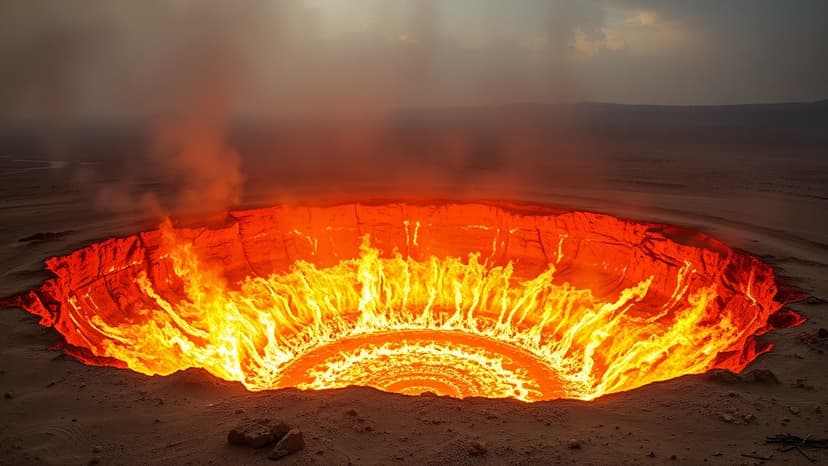
A devastating gas fire at the Urta-Bulak field in Uzbekistan burned uncontrollably for 1,074 days, beginning on December 1, 1963. The inferno consumed 12 million cubic meters of gas daily, visible for hundreds of kilometers and posing significant environmental and safety risks. Initial efforts using water, sand, and even artillery proved futile against the high-pressure gas reservoir.
In September 1966, a radical solution was implemented. Academician Mstislav Keldysh proposed detonating a 30-kiloton nuclear device underground. The plan aimed to use the resulting shockwave to crush the gas source. Kamil Mangushev led the task force, drilling an inclined well to position the specially designed nuclear warhead near the fire's origin.
On September 30, 1966, the bomb was detonated. The underground blast successfully extinguished the 1,074-day fire without detectable radioactive contamination. This event showcased an extreme, yet effective, application of nuclear energy for peaceful purposes, resolving an unprecedented crisis. Both Keldysh and Mangushev were highly regarded for their contributions.